What is AI Drive-Thru Ordering? A Guide for Restaurant Owners
AI drive-thru ordering helps restaurants improve speed, accuracy, upselling, labor efficiency, and customer flow by using daily measurable operational data.
tech
Jun 15, 2026
AI drive-thru ordering helps restaurants improve speed, accuracy, upselling, labor efficiency, and customer flow by using daily measurable operational data.
Jun 15, 2026
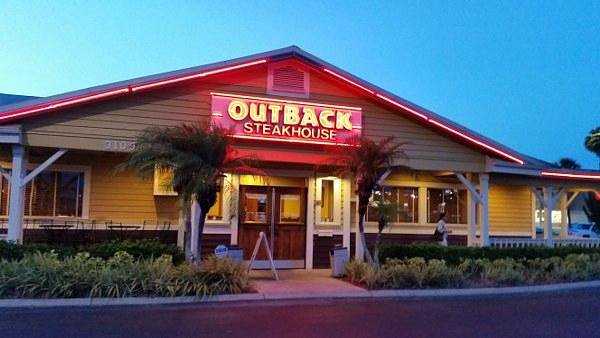
Outback Steakhouse is rolling out a limited-time Father's Day menu from June 17–21, featuring bold new steak and surf-and-turf dishes plus an exclusive gift card promotion running through June 21.
Jun 15, 2026
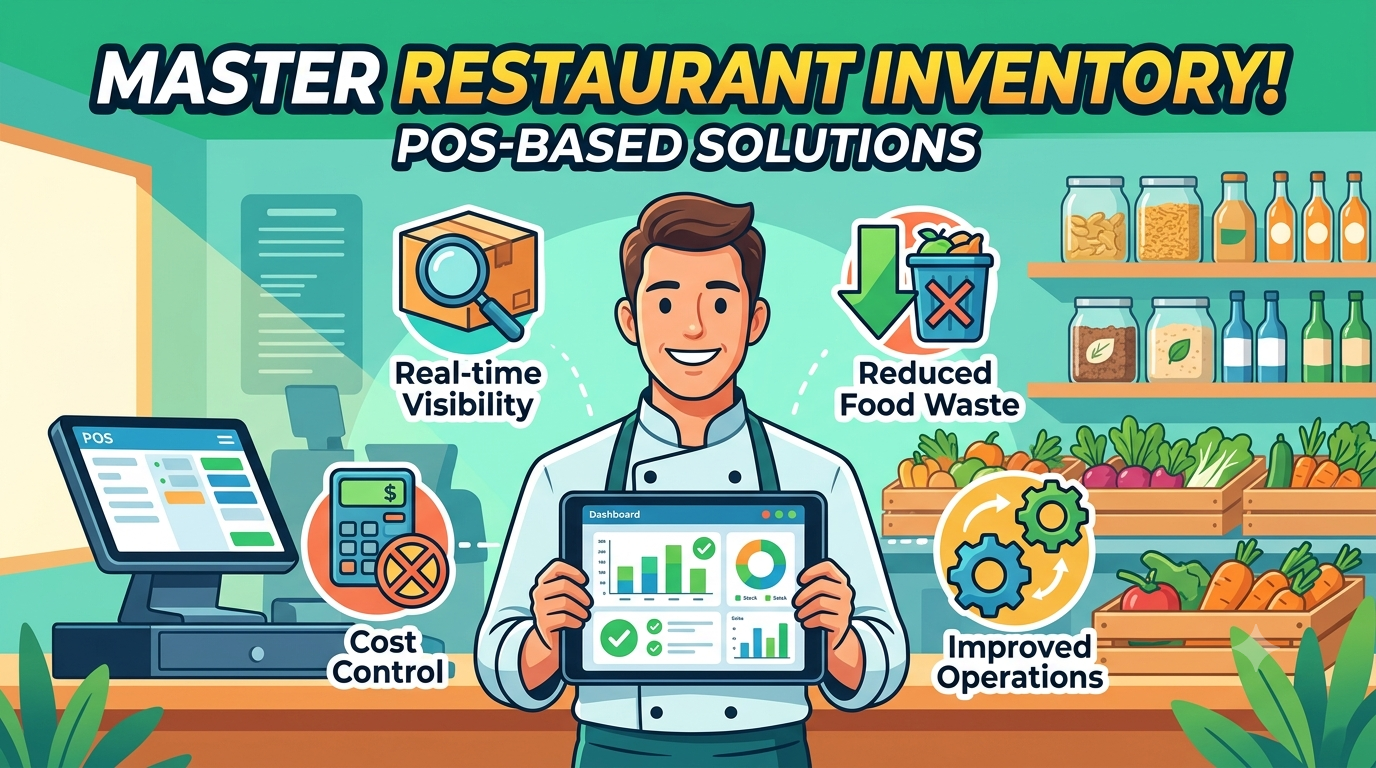
Discover how POS-based inventory management helps restaurants reduce food waste, control costs, and gain real-time visibility into stock levels for smoother daily operations.
Jun 15, 2026
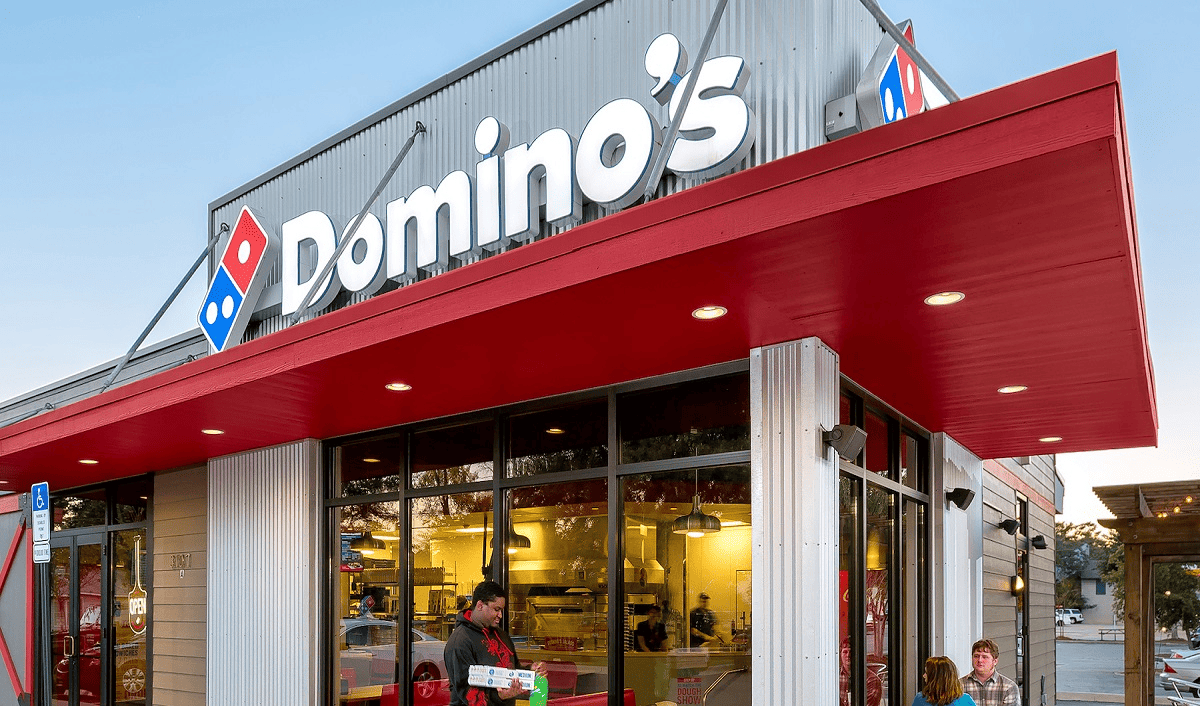
Domino's Pizza has expanded its popular 'Best Deal Ever' promotion to include Parmesan Stuffed Crust at no extra charge, offering any pizza with any crust and toppings for just $9.99, available through July 26.
Jun 15, 2026
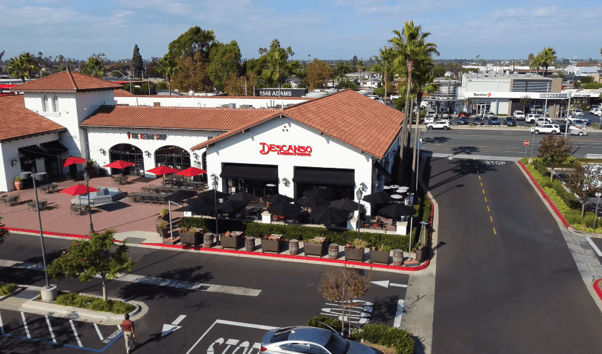
Explore how Descanso in Costa Mesa brings Mexico’s vibrant street food culture into a refined, full-sensory dining experience. Discover operational strategies, business insights, and the nuanced approach to customer interaction, menu design, and staff training that define their concept of elevated Mexican cuisine.
Jun 15, 2026
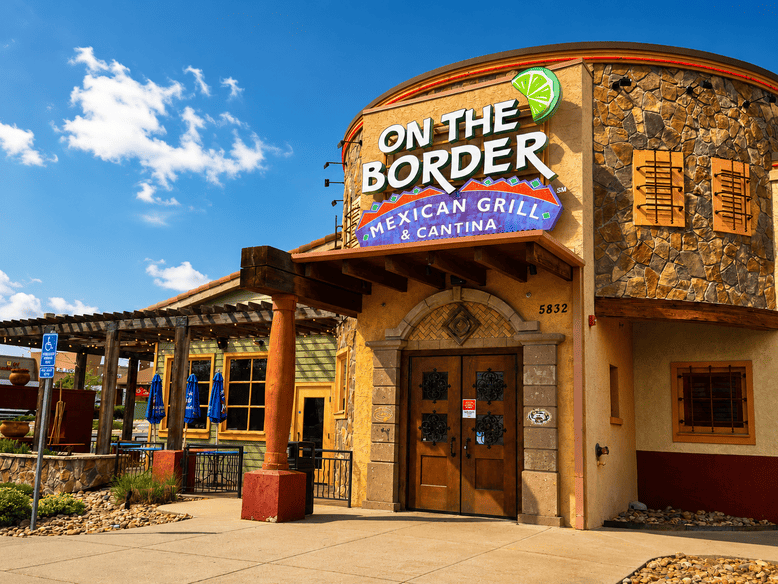
On the Border has closed all of its company-owned restaurants just over a year after being acquired out of bankruptcy by Pappas Restaurants, leaving only five franchised US locations and one in South Korea still operating.
Jun 15, 2026
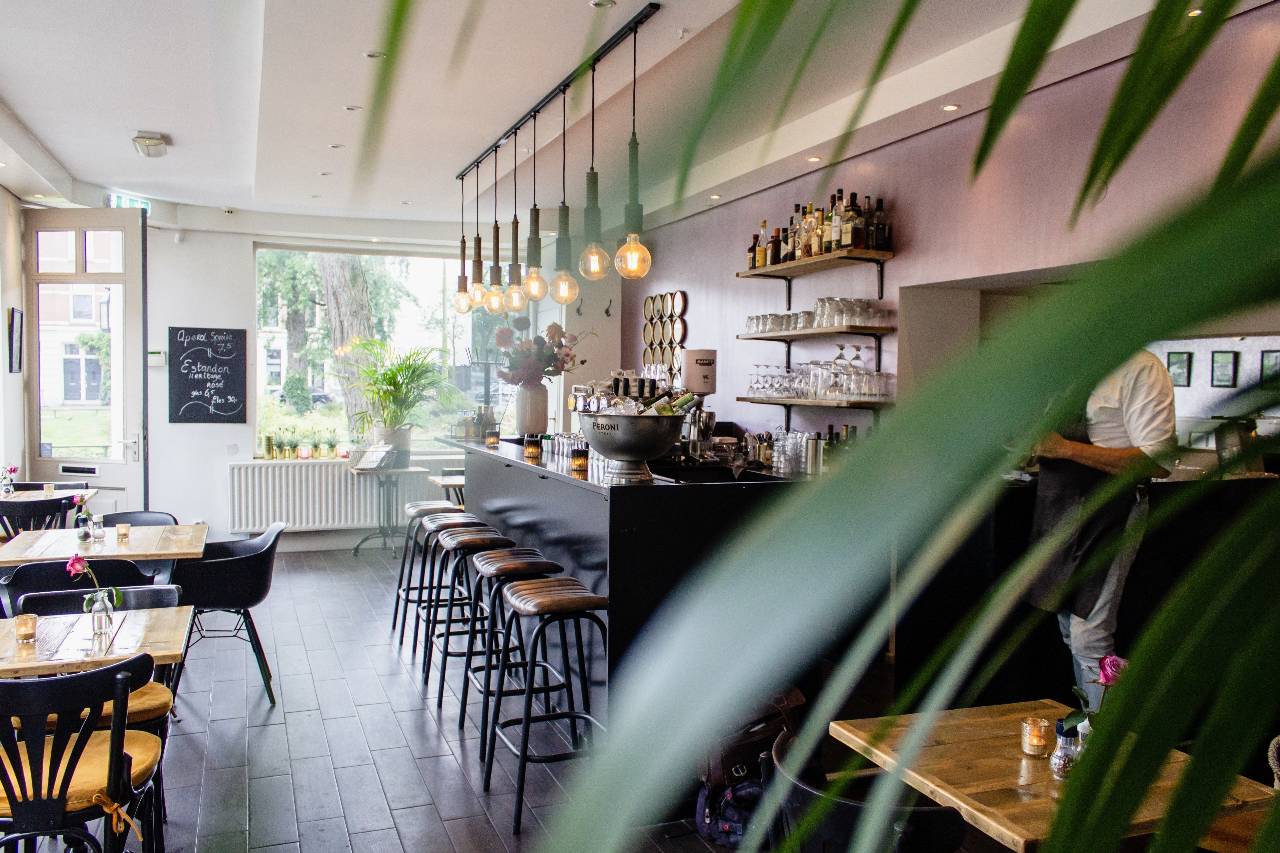
A profitable cafe starts with audience building, data-driven location choices, smart financial planning, AI support, strong systems, and community-focused marketing.
Jun 15, 2026
Krispy Kreme has unveiled its Summer Seasonal Collection, featuring two new doughnuts, returning fan favourites, and two limited-time Lemonade Chillers- available from June 16 for a limited time at participating US locations.
Jun 15, 2026

PE is rolling up franchise supplier platforms like IFPG and Fastlane, blending brokers, marketing, and AI to scale development and reshape pricing.
Jun 14, 2026
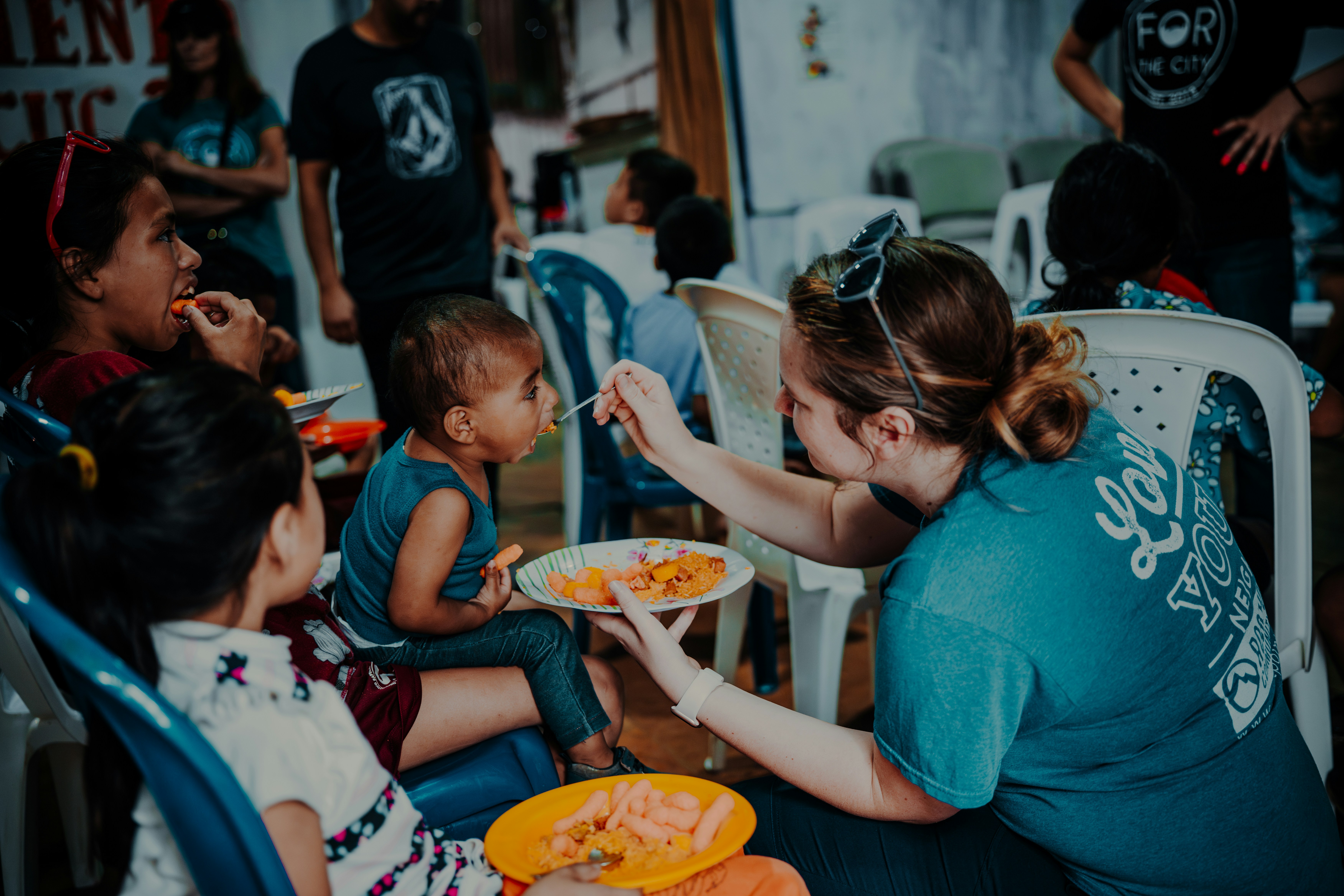
World Central Kitchen's Food Is Life brings free chef-crafted bites to World Cup watch parties, turning fan energy into hunger relief across U.S. host cities.
Jun 14, 2026
Turn your loyal regulars into powerful brand ambassadors with a simple restaurant referral program. Practical steps, free tools, and real results inside.
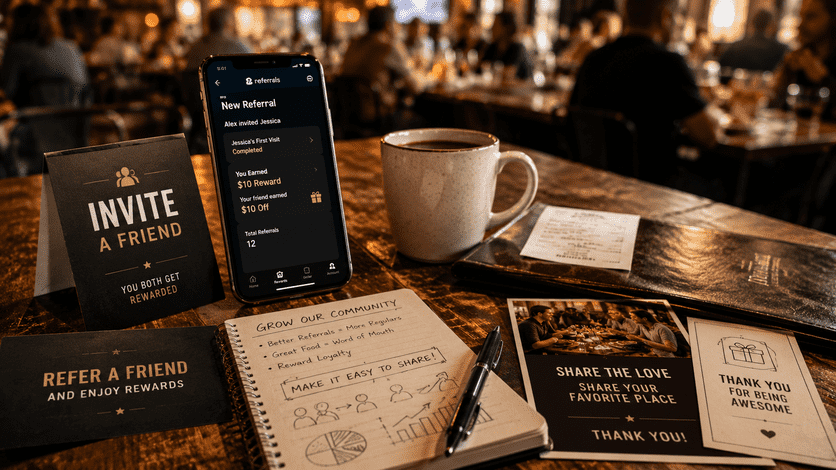
You're spending money on Instagram ads that get scrolled past, running promotions that attract one-time deal-hunters, and watching your marketing budget evaporate all while your most loyal customers are sitting right across the dining room, happy to sing your praises. For free. Here's the frustrating truth - most independent restaurant owners are sitting on a goldmine of word-of-mouth marketing potential and doing absolutely nothing to activate it. A well-designed restaurant referral program changes that. It takes the organic "you have to try this place" conversations your regulars are already having and turns them into a structured, trackable growth engine without requiring a big agency budget or a marketing degree. This guide will show you exactly how to build one, step by step.
Before we get into the how, let's talk about why. Referral marketing isn't new but it's uniquely powerful in the restaurant industry for a few specific reasons. Trust is everything in dining. When someone chooses a restaurant, they're not just buying a product they're risking an evening, a date night, or a client dinner. A recommendation from a friend carries enormous weight because it lowers that perceived risk. According to Nielsen, 92% of consumers trust recommendations from friends and family over any form of advertising. That's not a stat you can buy your way past. Your regulars already have real credibility. A loyal customer who eats at your restaurant twice a month has genuine enthusiasm that no influencer post can fake. Their friends and coworkers trust their restaurant opinions because they've heard them rave about their favorite spots before and your place is already one of them. The acquisition cost math is also hard to beat. Customer acquisition through paid ads for restaurants typically runs $15 to $50 per new customer, depending on your market and platform. A referral program can bring that cost down to the price of a free appetizer or a $10 discount and the referred customer arrives pre-sold, more likely to return, and more likely to refer others in turn. The flywheel effect of a word-of-mouth marketing strategy is real, and for independent restaurants and small chains, it's one of the most sustainable growth levers available.
The biggest mistake restaurants make with referral programs is only rewarding the new customer. That's a discount program not a referral program. A true restaurant referral program rewards the referrer (your existing regular) as well as the referred (the new guest). This is called a double-sided incentive, and it's the backbone of every high-performing program. For the referrer, a good reward might be $10 to $15 off their next visit once their friend actually dines in, a free dessert or cocktail, loyalty points if you run a points program, or entry into a monthly drawing for a free dinner for two. For the new guest being referred, something like 15 to 20 percent off their first visit, a complimentary starter on arrival, or a free dessert with their first meal works really well. The rule of thumb here is simple - your reward should feel like a genuine thank-you, not a transaction. Aim for something valued at around 10 to 15 percent of your average check. If your average ticket is $45, a $5 discount feels stingy. A $10 credit or a free appetizer hits the sweet spot it's meaningful enough that your regular actually wants to share it.
You don't need fancy software to launch a referral program. Your delivery method should match what you're already using and what your guests are comfortable with. The simplest starting point costs almost nothing - physical referral cards. Print business-card-sized cards with a unique code or simply the customer's first name. Hand them out with the check. When a new guest presents the card or mentions who sent them, you apply both rewards manually. It's low-tech, but it works beautifully especially for neighborhood spots with tight-knit regulars or an older customer base. If you have an email list or already use an SMS tool like Podium or Attentive, a text or email-based referral link is the sweet spot for most independent restaurants. You send your top customers a short personal note along the lines of - "We love having you as a regular here's a link to share with a friend. When they come in for the first time, you'll both get a reward." That's it. It's trackable, it feels personal, and it doesn't require a big investment. For restaurants that want more automation, platforms like Referral Rock (around $200 a month) handle tracking, automated emails, and reward fulfillment end-to-end. Yotpo Loyalty is popular with small chains because it combines loyalty and referrals in one place. If you're already on Toast POS, their built-in loyalty module has referral features worth activating. And tools like Stamp Me or Belly offer more affordable app-based options starting around $50 a month. For most restaurants just getting started, the email or SMS route with a simple Bitly-shortened link is the right call. It's personal, it's trackable, and you can get it live this week without spending anything significant.
Don't blast your referral program to your entire email list on day one. Start by launching it quietly as a VIP initiative for your top regulars the people who are already in love with your restaurant. Identifying them is easier than it sounds. Check your POS data for customers who visit three or more times a month. Look at who's most active in your loyalty program. And honestly think about the guests your servers know by name. Those are your ambassadors. Reach out to them personally. A handwritten note tucked into the check, a direct message on Instagram if they tag you regularly, or a brief personal email not a newsletter blast goes a long way. The message can be genuinely simple - "You're one of our most valued guests and we'd love to make you an official ambassador for the restaurant. Here's how it works and here's what you get every time a friend you send us walks through the door." This VIP-first approach does two powerful things at once. It makes your best customers feel seen and appreciated, which deepens their loyalty even further. And it gives you a small, manageable test group to iron out any kinks before you open the program to everyone.
Friction is the enemy of referrals. If sharing takes five steps, most people even enthusiastic regulars won't follow through. Your job is to remove every possible obstacle between your ambassador's good intention and the actual share. Low friction looks like this in practice - give people a short, memorable link they can text directly (Bitly is free and takes seconds to set up). Write a pre-drafted message they can copy and paste without thinking, something like "You have to try this place's best pasta I've had in years. Use this link and you'll get a free appetizer on your first visit." Create a simple Instagram Story or Facebook post graphic in Canva that they can share in one tap. And put a QR code on your tables or printed receipts that takes people directly to the referral program page. The easier you make it to share, the more often it happens. Every step you remove is more referrals in your pocket.
A referral program nobody tracks is just a discount program with extra steps. You need to close the loop in both directions toward the new guest and back to the ambassador. Tracking doesn't have to be complicated. A simple Google Sheet with columns for who referred whom, when the new guest visited, and whether both parties received their rewards is genuinely enough to start. As you grow, a dedicated platform handles this automatically, but don't let the absence of fancy software stop you from launching. More importantly, acknowledge your ambassador every single time someone they referred walks in. A quick text message "Hey Sarah, your friend just came in for the first time and we absolutely loved having her! Your free appetizer is ready and waiting for your next visit" takes 30 seconds to send and does something no marketing platform can replicate. It makes your ambassador feel like a hero. That feeling is what drives the next referral. For ambassadors who've gone quiet anyone who hasn't sent a referral in 60 days or more a brief reactivation message works surprisingly well. Something casual like "Hey, we've refreshed your ambassador reward and wanted to make sure you had your link" is enough to bring a lot of people back into the fold.
So what can you actually expect from a well-run restaurant referral program? Here's what the numbers typically look like. Referral links convert to actual first visits at a rate of 20 to 35 percent dramatically higher than the click-to-visit rates you'd see from paid social ads. Customers who come in via referral also return at a rate 18 to 25 percent higher than those acquired through paid channels, according to Wharton School research on referral programs. In a well-managed program, 15 to 25 percent of your enrolled ambassadors will actively refer at least one person within the first 90 days. And most restaurants recoup the cost of their referral rewards the free appetizers, the discounts within just two or three visits from the referred customer. A solid goal for your first 90 days - 20 active ambassadors generating 30 to 40 referred first visits. At almost any average ticket price, that's meaningful revenue driven entirely by people who already love your restaurant and were happy to tell someone about it.
Before you close this tab, here's everything you need to get moving -
Your regulars aren't just your best customers, they're your best marketers. They already trust you, love your food, and have friends who haven't discovered you yet. A simple restaurant referral program is the bridge between their enthusiasm and your growth. The restaurants that win at word-of-mouth marketing aren't the ones with the biggest budgets. They're the ones who make sharing easy, make the reward feel worthwhile, and make their most loyal guests feel like genuine insiders. You've got the guests. Now give them a reason to spread the word. Want more low-budget marketing tactics built specifically for independent restaurants and small chains? Explore the full library of marketing guides, templates, and resources at RestaurantAssociation.com and subscribe to the newsletter for practical strategies delivered straight to your inbox every week.