What is AI Drive-Thru Ordering? A Guide for Restaurant Owners
AI drive-thru ordering helps restaurants improve speed, accuracy, upselling, labor efficiency, and customer flow by using daily measurable operational data.
tech
Jun 15, 2026
AI drive-thru ordering helps restaurants improve speed, accuracy, upselling, labor efficiency, and customer flow by using daily measurable operational data.
Jun 15, 2026
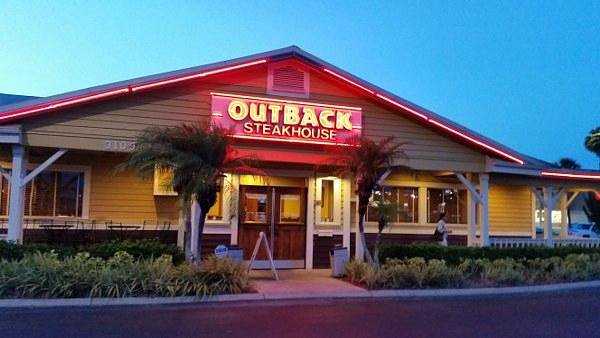
Outback Steakhouse is rolling out a limited-time Father's Day menu from June 17–21, featuring bold new steak and surf-and-turf dishes plus an exclusive gift card promotion running through June 21.
Jun 15, 2026
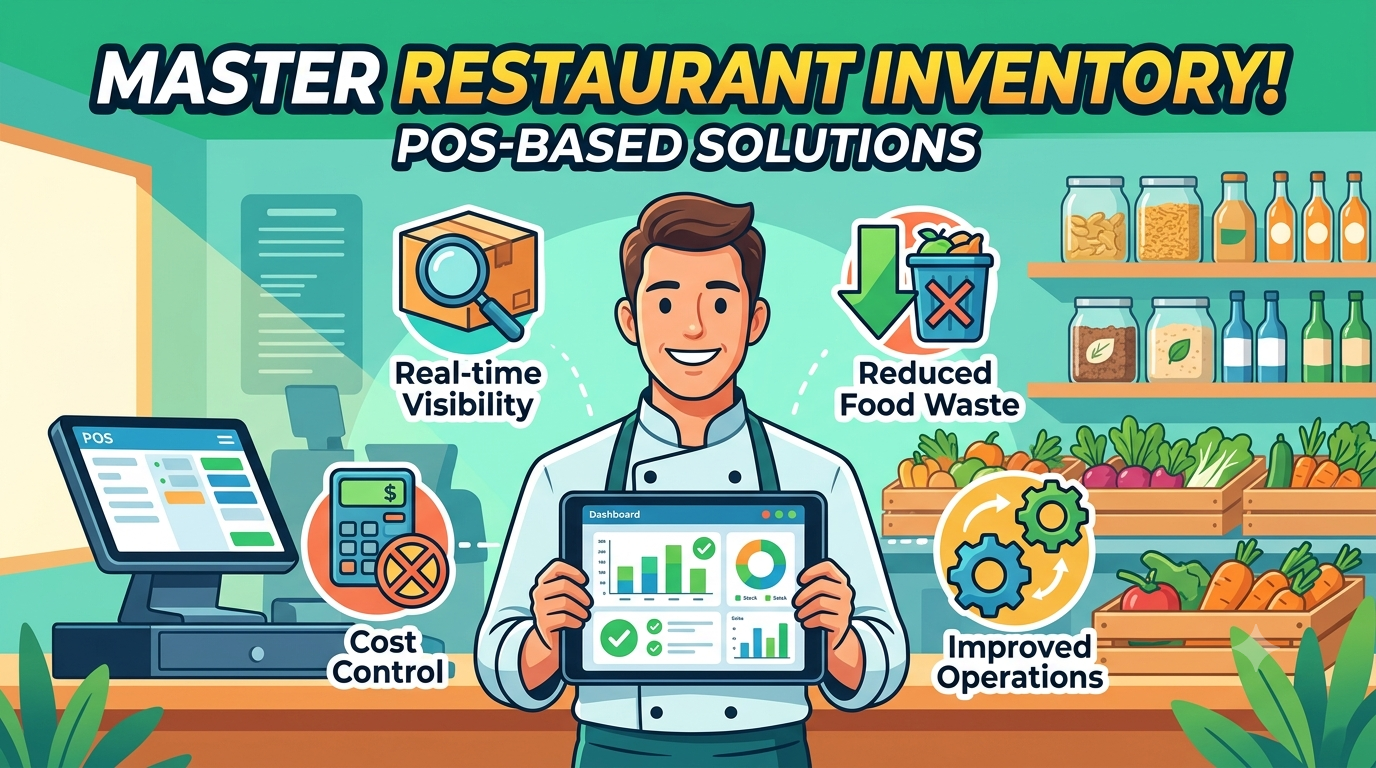
Discover how POS-based inventory management helps restaurants reduce food waste, control costs, and gain real-time visibility into stock levels for smoother daily operations.
Jun 15, 2026
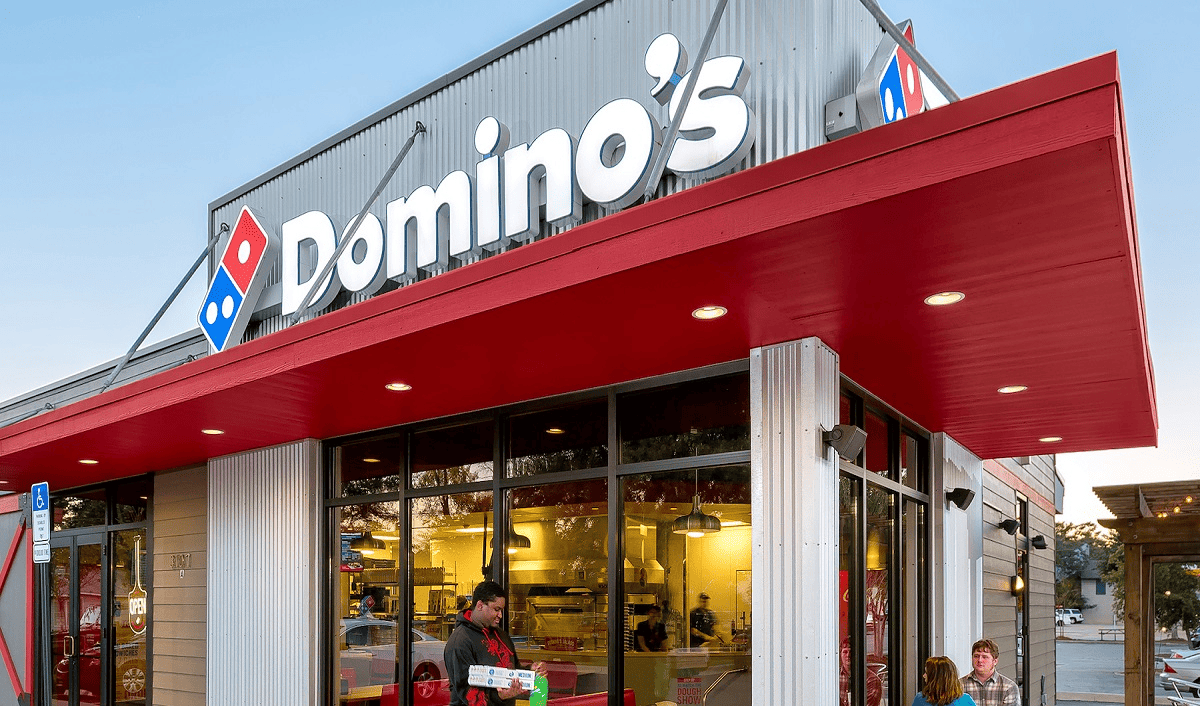
Domino's Pizza has expanded its popular 'Best Deal Ever' promotion to include Parmesan Stuffed Crust at no extra charge, offering any pizza with any crust and toppings for just $9.99, available through July 26.
Jun 15, 2026

Explore how Descanso in Costa Mesa brings Mexico’s vibrant street food culture into a refined, full-sensory dining experience. Discover operational strategies, business insights, and the nuanced approach to customer interaction, menu design, and staff training that define their concept of elevated Mexican cuisine.
Jun 15, 2026
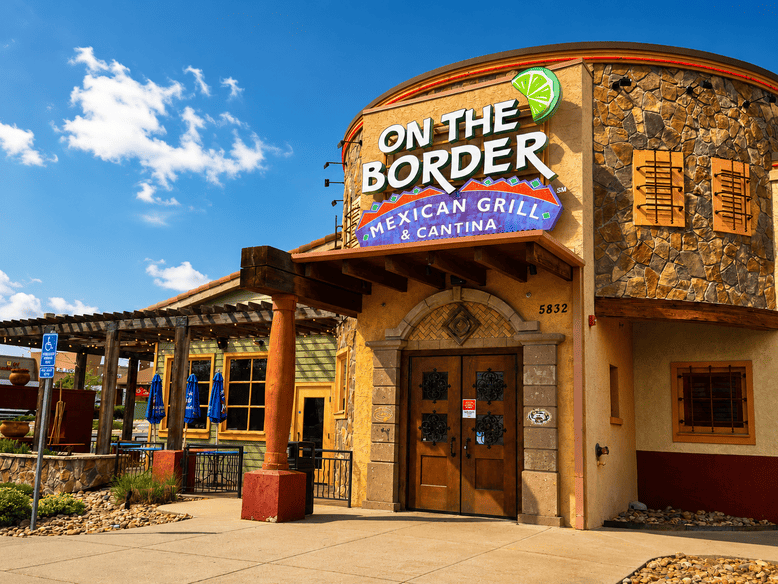
On the Border has closed all of its company-owned restaurants just over a year after being acquired out of bankruptcy by Pappas Restaurants, leaving only five franchised US locations and one in South Korea still operating.
Jun 15, 2026

A profitable cafe starts with audience building, data-driven location choices, smart financial planning, AI support, strong systems, and community-focused marketing.
Jun 15, 2026
Krispy Kreme has unveiled its Summer Seasonal Collection, featuring two new doughnuts, returning fan favourites, and two limited-time Lemonade Chillers- available from June 16 for a limited time at participating US locations.
Jun 15, 2026

PE is rolling up franchise supplier platforms like IFPG and Fastlane, blending brokers, marketing, and AI to scale development and reshape pricing.
Jun 14, 2026

World Central Kitchen's Food Is Life brings free chef-crafted bites to World Cup watch parties, turning fan energy into hunger relief across U.S. host cities.
Jun 14, 2026
New to restaurant payroll? This plain-English guide covers tipped wages, overtime, common mistakes, and the tools that keep you compliant from day one.
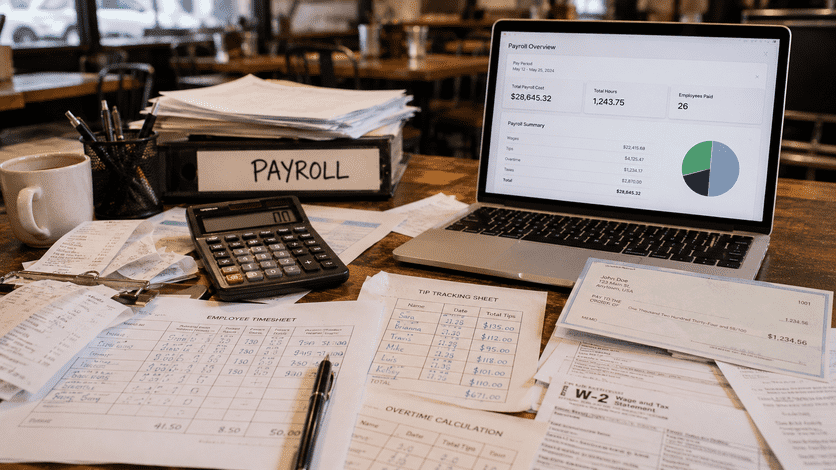
Payroll mistakes are among the most expensive errors a first-time restaurant owner can make and one of the most common. The U.S. Department of Labor recovered more than $274 million in back wages for restaurant workers in a single recent year, making food service one of the most frequently investigated industries for wage and hour violations. Many of those violations were not the result of bad intentions. They were the result of owners who simply did not know the rules well enough when they started. Restaurant payroll is genuinely more complex than payroll in most other industries. You are managing tipped employees, fluctuating hours, split shifts, minor labor laws in some states, and a web of federal and state regulations that do not always align neatly. Getting it right from the beginning is not just about compliance it protects your business, your employees, and the reputation you are working hard to build. This guide breaks down restaurant payroll in plain English so you can set up your processes correctly, avoid the most common and costly mistakes, and run payroll with confidence even if you have never done it before.
Most small business payroll guides assume a straightforward scenario - you pay employees an hourly wage or salary, withhold taxes, and issue checks. In restaurants, that baseline is just the starting point. The first major difference is tipped employees. Under federal law, specifically the Fair Labor Standards Act, employers are permitted to pay tipped employees a lower direct cash wage currently $2.13 per hour at the federal level provided that the employee's tips bring their total hourly earnings up to at least the federal minimum wage of $7.25 per hour. This arrangement is called a tip credit. If an employee's tips do not make up the difference in any given workweek, the employer is legally required to make up the shortfall out of pocket. Many states set their own tipped minimum wage that is higher than the federal rate, and several states including California, Minnesota, and Washington do not allow a tip credit at all, requiring employers to pay the full state minimum wage regardless of tip income. You must comply with whichever standard is higher - federal or your state. The second major difference is tip pooling. If your restaurant operates a tip pool collecting tips from servers and redistributing them to bussers, food runners, or other support staff there are specific legal rules governing who can and cannot participate. Under federal law, managers and supervisors cannot participate in a tip pool, and employers who take a tip credit cannot include back-of-house employees like cooks and dishwashers in the pool. The rules shift if the employer does not take a tip credit, so understanding your own policy and how it interacts with federal and state law is essential before you structure any pooling arrangement. The third difference is the prevalence of irregular scheduling split shifts, on-call shifts, and significant week-to-week variation in hours which creates heightened overtime exposure and, in some states, additional compensation requirements for split shifts or predictive scheduling.
Federal and State Minimum Wage - Federal minimum wage is $7.25 per hour. However, the majority of states and many cities and counties have set minimum wages that are higher, and those higher rates take precedence. As of 2024, states like California ($16.00 per hour), New York (varying by region), and Washington ($16.28 per hour) are well above the federal floor. Before you process your first payroll, confirm the minimum wage applicable in your specific city and state. Do not assume the federal rate applies. The Department of Labor maintains a state-by-state minimum wage database that is updated regularly and is free to access. Overtime Rules - Under the Fair Labor Standards Act, any non-exempt employee who works more than 40 hours in a single workweek must be paid overtime at a rate of at least one and a half times their regular rate of pay. This applies regardless of whether those hours were approved in advance. If the hours were worked, overtime is owed. For tipped employees, the overtime calculation is based on the full minimum wage not the reduced tipped wage. This is a common source of error. If you pay a server the federal tipped minimum of $2.13 per hour and they work 45 hours in a week, you cannot simply multiply $2.13 by 1.5 for the overtime hours. The calculation must be based on $7.25 per hour (or your applicable state minimum), with the tip credit applied appropriately. Some states also require daily overtime California, for example, mandates overtime pay for any hours worked beyond eight in a single day. Know your state's rules before building your scheduling and payroll processes. Payroll Taxes and Withholding - As an employer, you are responsible for withholding federal income tax, Social Security tax, and Medicare tax from each employee's paycheck and remitting those amounts to the IRS on a regular schedule. You are also responsible for paying the employer's share of Social Security and Medicare taxes currently 7.65 percent of each employee's gross wages. For tipped employees, reported tips are subject to the same withholding requirements as regular wages. Employees are legally required to report their tips to you typically on a daily or monthly basis and you are required to withhold taxes on the reported amount. The IRS Form 4070 or an equivalent written record is the standard reporting method. If you have eight or more employees, you may also be subject to FICA Tip Credit provisions under IRS Section 45B, which allows eligible employers to claim a tax credit for the employer's share of FICA taxes paid on tips above the minimum wage threshold. This is a legitimate tax benefit that many first-time restaurant owners miss entirely it is worth discussing with a tax professional from your first year of operation. Record-Keeping Requirements - Federal law requires employers to maintain payroll records for at least three years and records used to compute wages time cards, schedules, wage rate tables for at least two years. In practice, maintaining complete payroll records for five to seven years is a sensible standard that protects you in the event of a late audit or wage dispute. Your records should include each employee's full name, address, occupation, hours worked each day and week, total daily or weekly straight-time earnings, overtime earnings, all additions to or deductions from wages, total wages paid each pay period, and the date of payment.
Setting up a clean payroll process from the beginning saves significant time and prevents compounding errors. Work through the following steps before your first pay period.

Running payroll manually in a spreadsheet is possible in a very small operation, but it is error-prone and does not scale. Purpose-built payroll software handles tax calculations, withholding, direct deposit, and regulatory updates automatically and the cost is modest relative to the risk of getting it wrong. For independent restaurants, 7shifts Payroll, Gusto, and Square Payroll are well-regarded options that integrate with common restaurant POS systems and handle tipped employee payroll correctly when configured properly. All three offer automated federal and state tax filing, new hire reporting, and year-end W-2 generation. For restaurants that already use Toast POS, Toast Payroll integrates directly with scheduling and time-tracking data, reducing manual entry and the risk of timesheet errors. ADP and Paychex are larger platforms that work well for small chains with slightly more complex payroll needs across multiple locations. When evaluating any payroll platform, confirm that it handles tipped employee overtime calculations correctly for your state, supports tip credit tracking, files payroll taxes automatically on your behalf, and integrates with your existing POS and scheduling tools.
Restaurant payroll is not simple, but it is entirely manageable when you understand the rules, set up your processes correctly, and use the right tools. The first-time restaurant owners who get into trouble are almost always those who underestimated the complexity, assumed their state followed federal rules, or delayed setting up a proper payroll process until problems had already compounded. Start with a clean setup, stay current on your state's minimum wage and overtime requirements, build tip reporting and tip credit tracking into your weekly process, and use payroll software that handles restaurant-specific calculations automatically. Do those things consistently, and restaurant payroll becomes a routine operational task rather than a source of financial and legal exposure. This article is for informational purposes only and does not constitute legal or financial advice. Consult a licensed professional for your specific situation. Ready to go deeper? Explore payroll guides, compliance checklists, and downloadable templates built specifically for restaurant operators at RestaurantAssociation.com/payroll and subscribe to the newsletter for practical compliance updates and operational resources delivered to your inbox every week.