What is AI Drive-Thru Ordering? A Guide for Restaurant Owners
AI drive-thru ordering helps restaurants improve speed, accuracy, upselling, labor efficiency, and customer flow by using daily measurable operational data.
tech
Jun 15, 2026
AI drive-thru ordering helps restaurants improve speed, accuracy, upselling, labor efficiency, and customer flow by using daily measurable operational data.
Jun 15, 2026
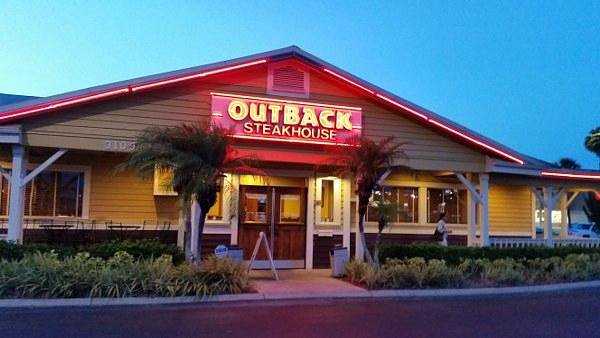
Outback Steakhouse is rolling out a limited-time Father's Day menu from June 17–21, featuring bold new steak and surf-and-turf dishes plus an exclusive gift card promotion running through June 21.
Jun 15, 2026
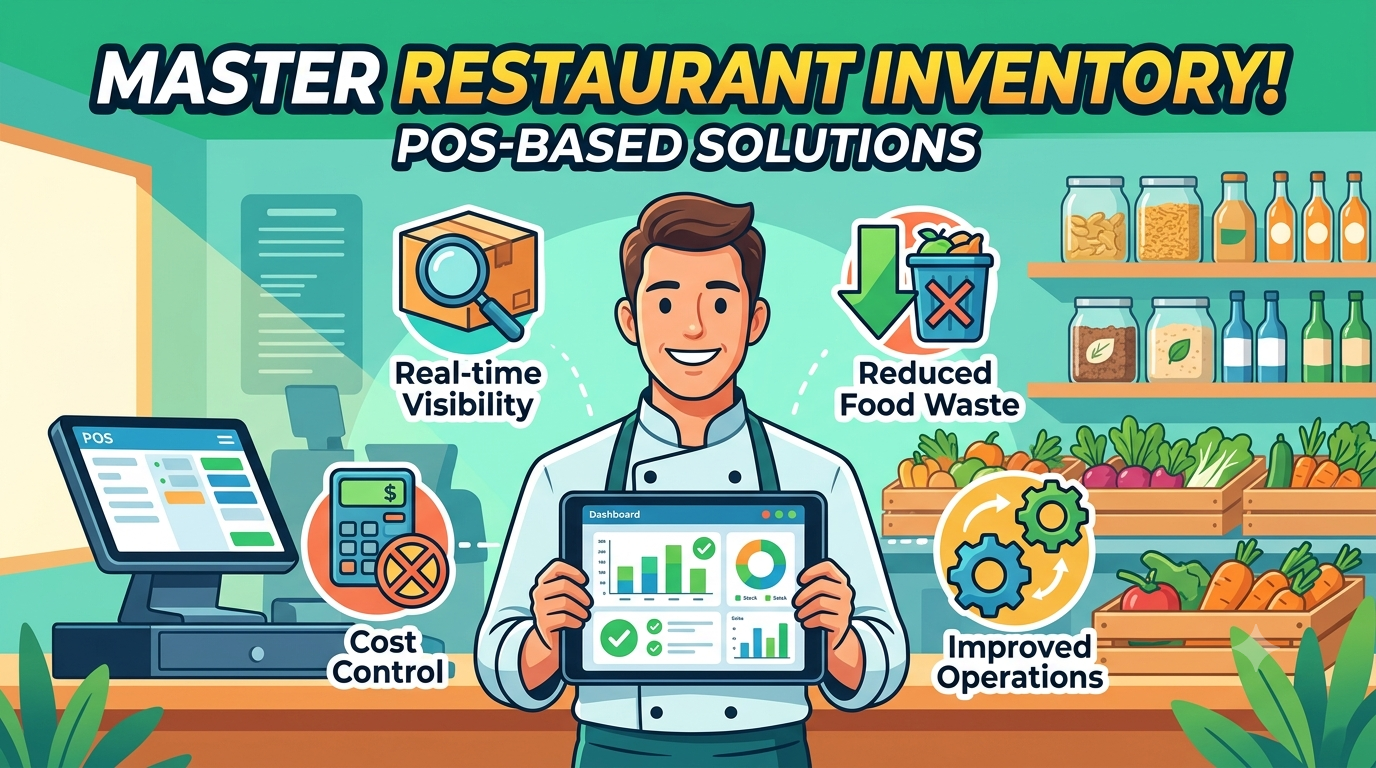
Discover how POS-based inventory management helps restaurants reduce food waste, control costs, and gain real-time visibility into stock levels for smoother daily operations.
Jun 15, 2026
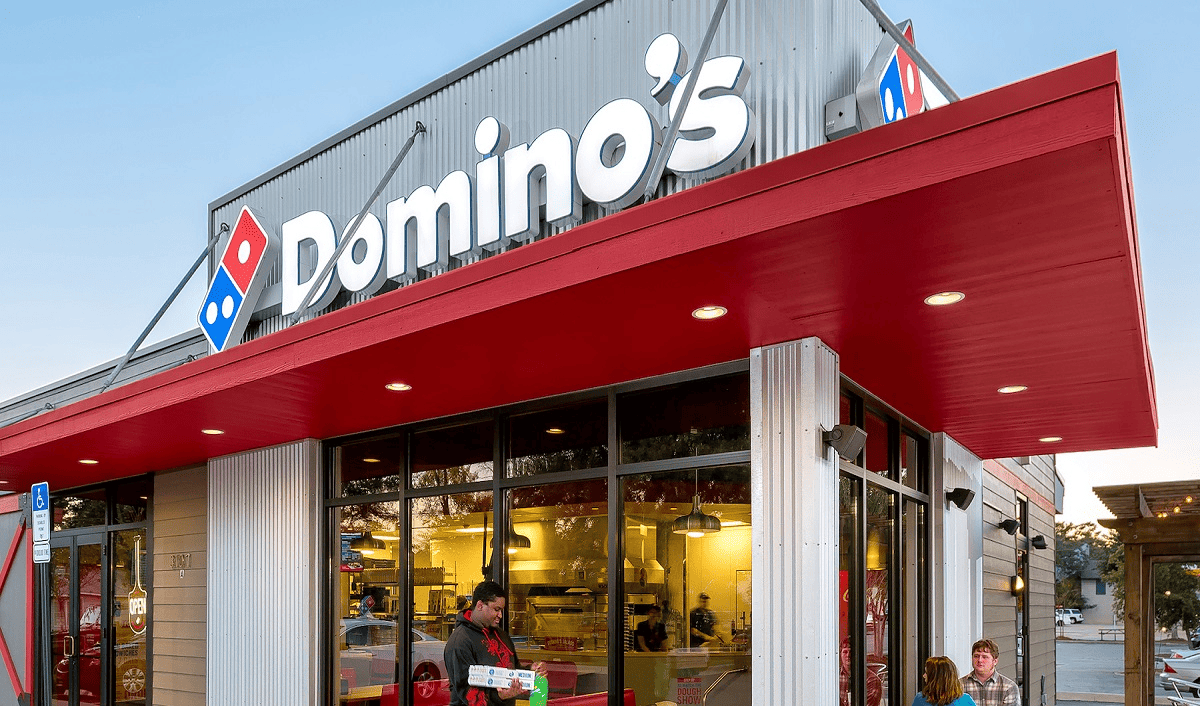
Domino's Pizza has expanded its popular 'Best Deal Ever' promotion to include Parmesan Stuffed Crust at no extra charge, offering any pizza with any crust and toppings for just $9.99, available through July 26.
Jun 15, 2026
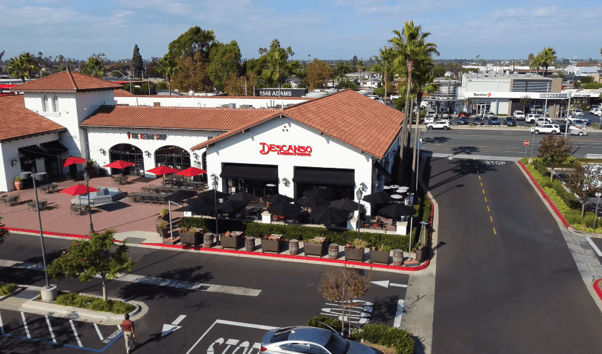
Explore how Descanso in Costa Mesa brings Mexico’s vibrant street food culture into a refined, full-sensory dining experience. Discover operational strategies, business insights, and the nuanced approach to customer interaction, menu design, and staff training that define their concept of elevated Mexican cuisine.
Jun 15, 2026
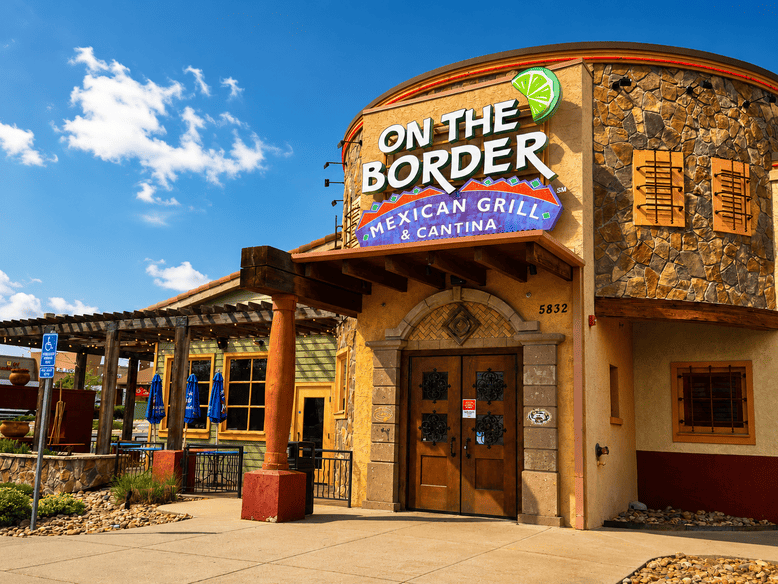
On the Border has closed all of its company-owned restaurants just over a year after being acquired out of bankruptcy by Pappas Restaurants, leaving only five franchised US locations and one in South Korea still operating.
Jun 15, 2026
A profitable cafe starts with audience building, data-driven location choices, smart financial planning, AI support, strong systems, and community-focused marketing.
Jun 15, 2026
Krispy Kreme has unveiled its Summer Seasonal Collection, featuring two new doughnuts, returning fan favourites, and two limited-time Lemonade Chillers- available from June 16 for a limited time at participating US locations.
Jun 15, 2026

PE is rolling up franchise supplier platforms like IFPG and Fastlane, blending brokers, marketing, and AI to scale development and reshape pricing.
Jun 14, 2026
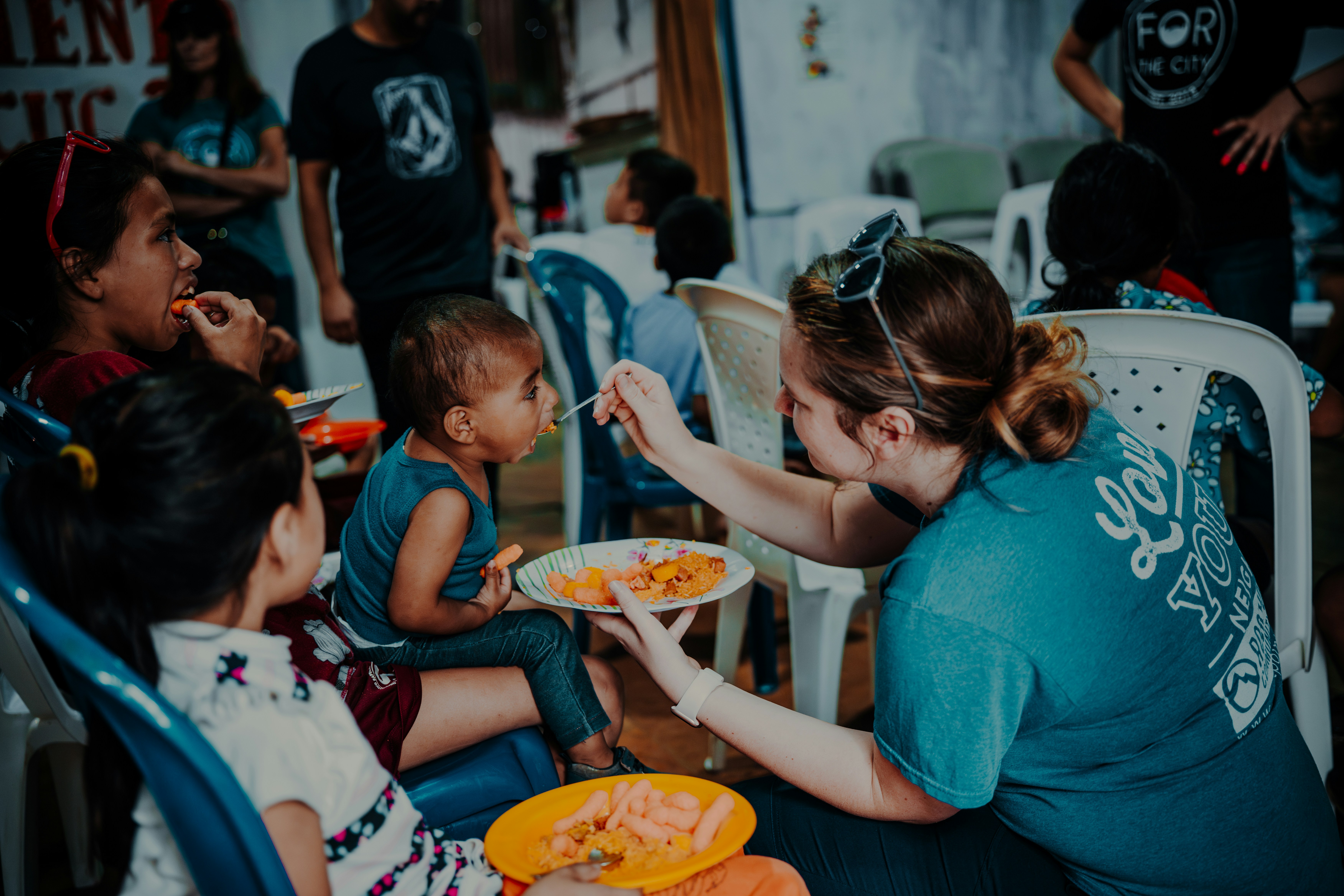
World Central Kitchen's Food Is Life brings free chef-crafted bites to World Cup watch parties, turning fan energy into hunger relief across U.S. host cities.
Jun 14, 2026
Discover the real challenges and strategies of opening a second restaurant location. Avoid costly mistakes and learn the critical steps to ensure your new unit thrives without risking your flagship's success.
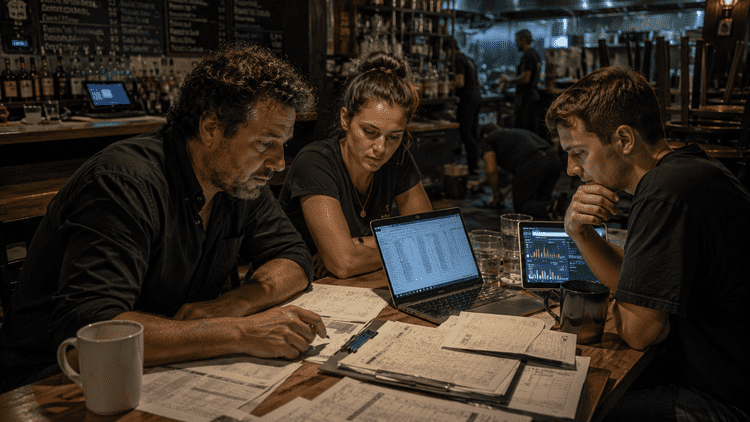
You have done the impossible. Your flagship restaurant is a resounding, undeniable success. The dining room is packed on a Tuesday night, your weekend waitlist routinely stretches past an hour, and your local community champions your brand. Inevitably, your regulars start asking the ultimate ego-boosting question - "When are you going to open one of these closer to my house?" It is an intoxicating feeling. The math in your head seems beautifully simple - if one restaurant generates a specific amount of EBITDA (Earnings Before Interest, Taxes, Depreciation, and Amortization), a second restaurant will double it. You start browsing commercial real estate listings, touring empty vanilla shells, and suddenly, you are signing a Letter of Intent (LOI). But then reality hits. The transition from a single-unit owner-operator to a multi-unit executive is the most dangerous leap in the hospitality industry. When it comes to opening a second location - what no one tells you before you expand is that your shiny new dream project possesses the exact capability to bankrupt your original, successful flagship if you are not ruthlessly prepared. Let’s strip away the romance of cutting a second grand opening ribbon. Here is the strategic, unvarnished truth about duplicating your restaurant concept, protecting your cash flow, and surviving the expansion process without losing your mind.
Expanding is not simply a matter of signing a second lease and buying more tables. Opening a second location requires a fundamental shift in your professional identity. You must transition from being a "restaurant operator" who jumps on the line when the grill cook is in the weeds, into a "restaurant CEO" who builds systems that function flawlessly without your physical presence. Why is this leap so notoriously difficult? Because a single-unit restaurant is heavily reliant on the owner's "spidey sense." At your original location, you likely hold the entire operation together through sheer force of will and tribal knowledge. You know exactly how the walk-in cooler door sticks, you know the Tuesday prep cook needs to be reminded to label the poultry, and you know by the ambient noise of the dining room exactly when to cut the floor staff. When you open location number two, you lose that superpower. You cannot physically be in two kitchens at 7 - 00 PM on a Friday. If you have not built an infrastructure that can support the weight of two separate beasts, your food quality will tank at both locations, your Yelp reviews will plummet, and your brand equity will bleed out.
To successfully duplicate your concept, you have to build a corporate infrastructure while you are still an independent operator. Here is the step-by-step framework seasoned consultants use to guide operators through their first major expansion.
Consider the case of an immensely popular, independent taco and tequila concept located in a dense, downtown business district. The owners, flush with cash, decided on opening a second location in a sprawling, affluent suburb 15 miles away. They assumed their brand strength would easily carry over. They signed a lease, copied the exact same floor plan, duplicated the menu, and opened the doors. It was a near disaster. At their flagship downtown location, 60% of their revenue came from a fast-paced, high-volume lunch rush fueled by office workers, followed by a strong late-night bar crowd. In the suburb, the restaurant was a ghost town at noon. However, at 6 - 00 PM, they were slammed with families who lingered at the table for an hour and a half, required booster seats, and wanted a kids' menu which the restaurant did not have. The Pivot - The operators had to aggressively adapt to the micro-demographics of the new neighborhood. They pivoted their marketing away from "business lunch" to "family dinner." They added high chairs, created a kids' menu, and adjusted their labor matrix to cut morning prep hours and heavily staff the early evening shifts. It took them eight months to stabilize the unit, burning through thousands of dollars in excess labor in the process. The Lesson - Never assume your new market behaves like your old market. You must analyze the specific behavioral patterns, traffic counts, and community needs of your new location before you sign the lease, not after you open the doors.
Even seasoned operators get blinded by the excitement of a new project. Avoid these notorious pitfalls that routinely derail multi-unit dreams.
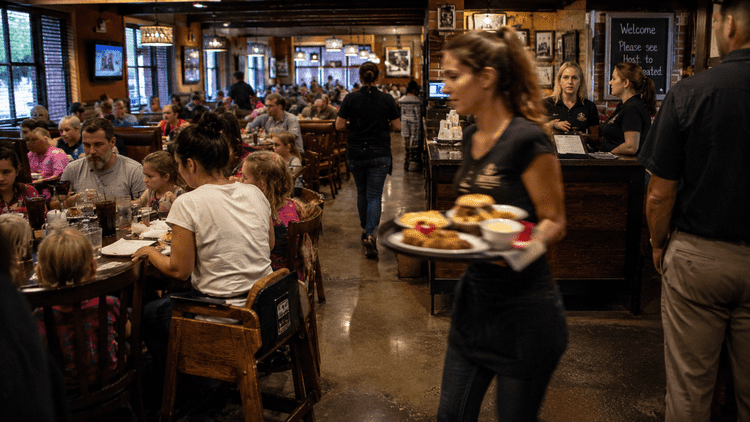
Growing from a single-unit operator to a multi-unit restaurateur is one of the most rewarding challenges in the hospitality industry. It creates generational wealth, provides incredible upward mobility and career opportunities for your loyal staff, and cements your brand's legacy in your city. But it demands that you step out of the kitchen and into the boardroom. Before you sign a Letter of Intent or hire an architect, put yourself through this strict operational audit this week -