Barre3 Puts 'Her' First in Global Franchise Growth
Barre3 CEO Sadie Lincoln outlines a women-first, self-funded growth strategy as the brand expands franchises, posts rising AUVs, and enters Chile.
franchising
May 25, 2026
Barre3 CEO Sadie Lincoln outlines a women-first, self-funded growth strategy as the brand expands franchises, posts rising AUVs, and enters Chile.
May 25, 2026

CAVA posts 9.7% comps on 6.8% traffic, raises 2026 outlook as value-first menu, tech, and expansion drive gains despite AB 1228 headwinds.
May 25, 2026

Giordano’s ties weekly pizza discounts to AAA’s Chicago gas average, aiming to offset pump pain, drive loyalty redemptions, and defend casual dining traffic.
May 25, 2026
As more states raise minimum wages, QSRs pivot to real-time scheduling, cross-training, and AI tools to protect speed, value, and margins.
May 24, 2026
Hopdoddy gives free cheeseburger meals May 28 in Austin during Obsession, showcasing kitchen transparency amid competitive National Burger Day offers.
May 24, 2026
Portillo’s appoints Pamela Smith interim CFO and principal accounting officer, outlining contract terms, search timeline, and growth plans amid a tight CFO talent market.
May 24, 2026
Foodtastic will relaunch Dunkin’ in Canada with up to 30 openings in year one, amid Inspire Brands’ IPO plans and a market hungry for youth-driven coffee.
May 24, 2026
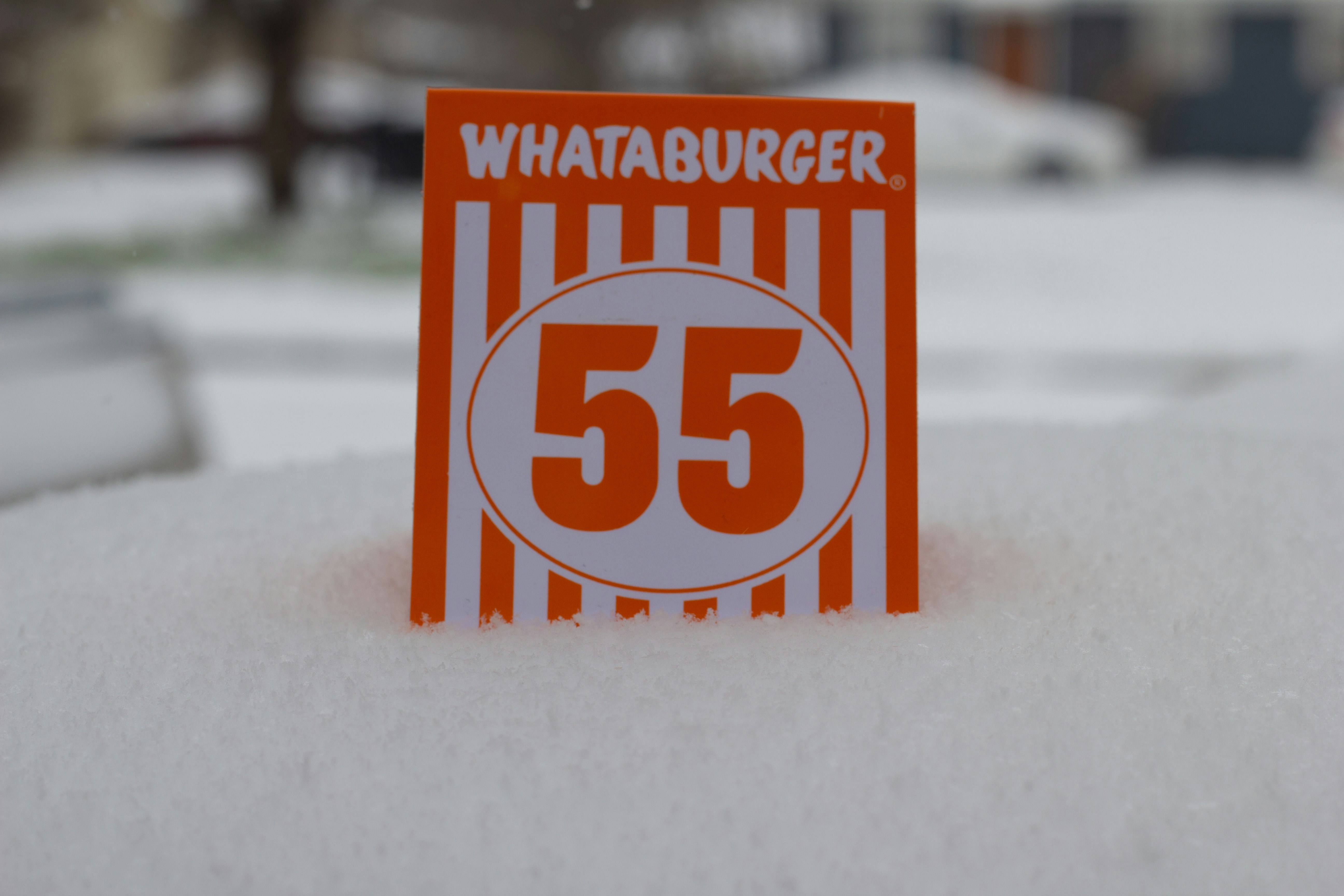
Whataburger revives its iconic A-frame with new prototypes, blending heritage with modular construction to speed builds and expand beyond Texas.
May 24, 2026
Amid record turnover and policy headwinds, Audrey Benet’s Miss Pat Mindset reframes culture as the industry’s most reliable lever for retention.
May 24, 2026

Swig turns viral dirty soda buzz into franchising momentum, with soaring traffic, rising sales, and a disciplined drive-thru playbook.
May 24, 2026

Unlock Exclusive Access To Webinars, Events, And The Latest News For Free!
Running out of menu items mid-service costs you sales and damages guest trust. Discover how poor inventory visibility leads to restaurant stockouts and what to do about it.
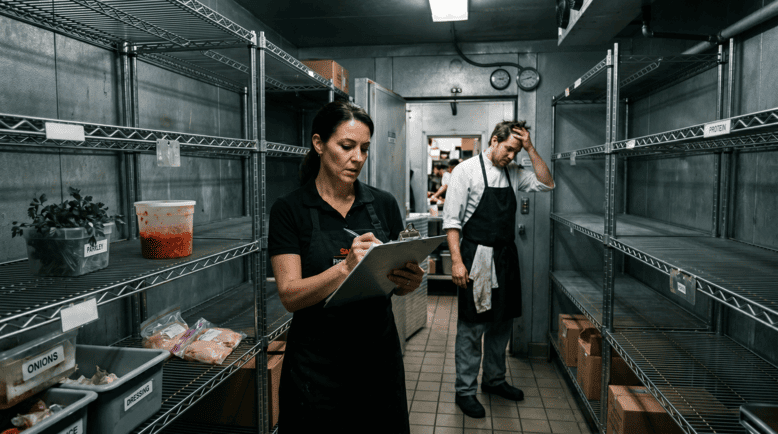
Picture this. It is the middle of a Friday dinner service. The kitchen is moving fast. A server puts in a ticket for one of your top-selling dishes and the line cook turns around to grab the main ingredient. It is not there. You are out. No one knew. Now you are telling your server to go back to the table and explain that the item is not available. The customer is disappointed. Maybe they order something less expensive. Maybe they leave entirely. Either way, you just lost a sale and some goodwill, and it was entirely preventable.
This scenario plays out in restaurants everywhere, every week. And the cause is almost always the same - no real-time restaurant inventory visibility into what is actually on hand.
Most restaurants still manage inventory in snapshots. Someone does a count at the beginning of the week or at the end of a shift, logs the numbers in a spreadsheet or a notebook, and that becomes the reference point for the days ahead. The problem is that between those snapshots, inventory is moving constantly. Items are being used, prepped, portioned, and in some cases wasted or lost. By the time you check the count again, the picture has already changed significantly.
Running a kitchen on snapshot inventory is like driving a car while only looking at the road every few seconds. Most of the time you will be fine, but eventually the gap between what you think is happening and what is actually happening will cost you.
Stockouts are the most obvious consequence of poor inventory tracking. When you do not have a current picture of your stock levels, items run out without warning. You find out not when you check your records, but when someone reaches for something that is not there.
But the problems run deeper than stockouts. Poor restaurant inventory visibility creates a cascade of operational and financial issues -
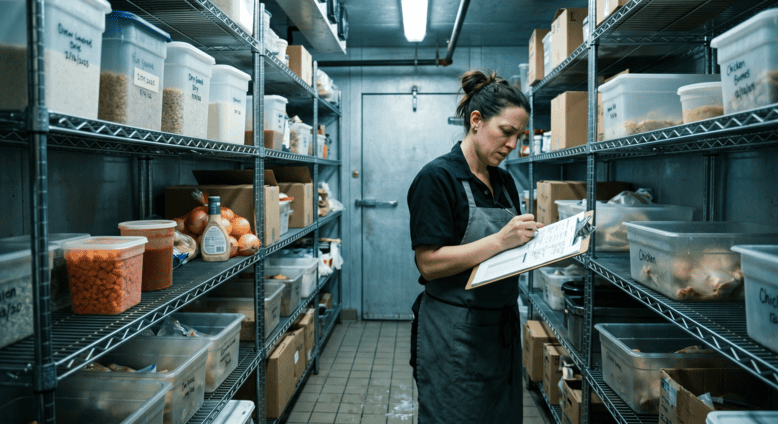
In many restaurants, inventory decisions are made by experienced managers who have a general sense of what is on hand based on memory and observation. This works until it does not. Memory is imperfect. Shifts change. Communication gaps happen. One manager thinks a product was restocked. Another assumes it was used. The result is gaps, duplicate orders, and unwelcome surprises.
Signs that your restaurant is operating on guesswork rather than data include -
Getting real-time restaurant inventory visibility does not necessarily mean a complete technology overhaul overnight. It starts with building practices that keep your counts current and accessible.
High-movement items should be tracked more frequently than once a week. If you go through a case of a key ingredient every day or two, a weekly count is not giving you useful information for daily purchasing and prep decisions.
Steps to improve inventory visibility in your kitchen include -
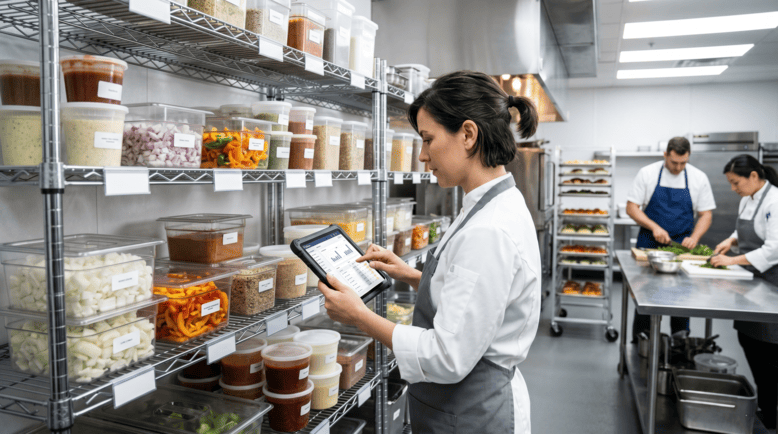
Real-time restaurant inventory visibility is not just about avoiding the embarrassment of an 86'd item. It is a direct driver of profitability. When you know what you have, you order what you need. When you order what you need, you reduce waste. When you reduce waste, your food cost percentage drops.
Running out of product mid-service is a symptom of a visibility problem. The fix is not to order more. It is to see more, in real time, so that the decision to reorder happens at the right moment rather than after the shortage is already affecting your guests and your bottom line.