Clusters Win the Day: Coast-to-Coast Multi-Unit Deals
Record multi-unit franchise deals cluster territories coast to coast as brands chase scale amid inflation and QSR operators control 58% of units.
Record multi-unit franchise deals cluster territories coast to coast as brands chase scale amid inflation and QSR operators control 58% of units.

Savory Fund CEO Clay Dover details how AI speeds openings, training, and prep—powered by voice and tempered with human checkpoints across operations.
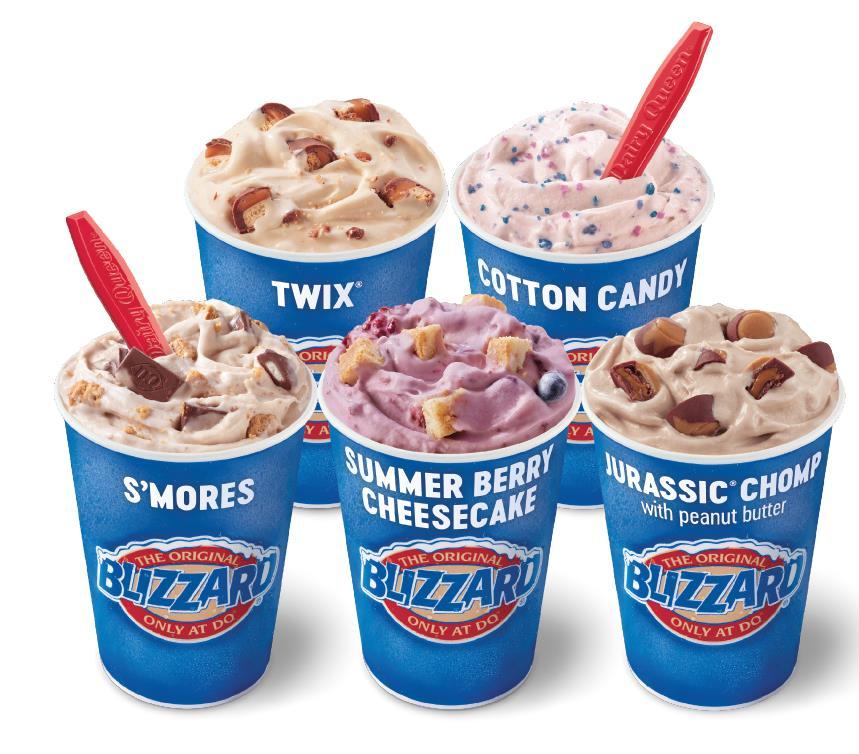
Cash incentives: $150K for the first Grill & Chill on schedule, then $200K per unit within 18 months, as Dairy Queen targets U.S. and Canada expansion.
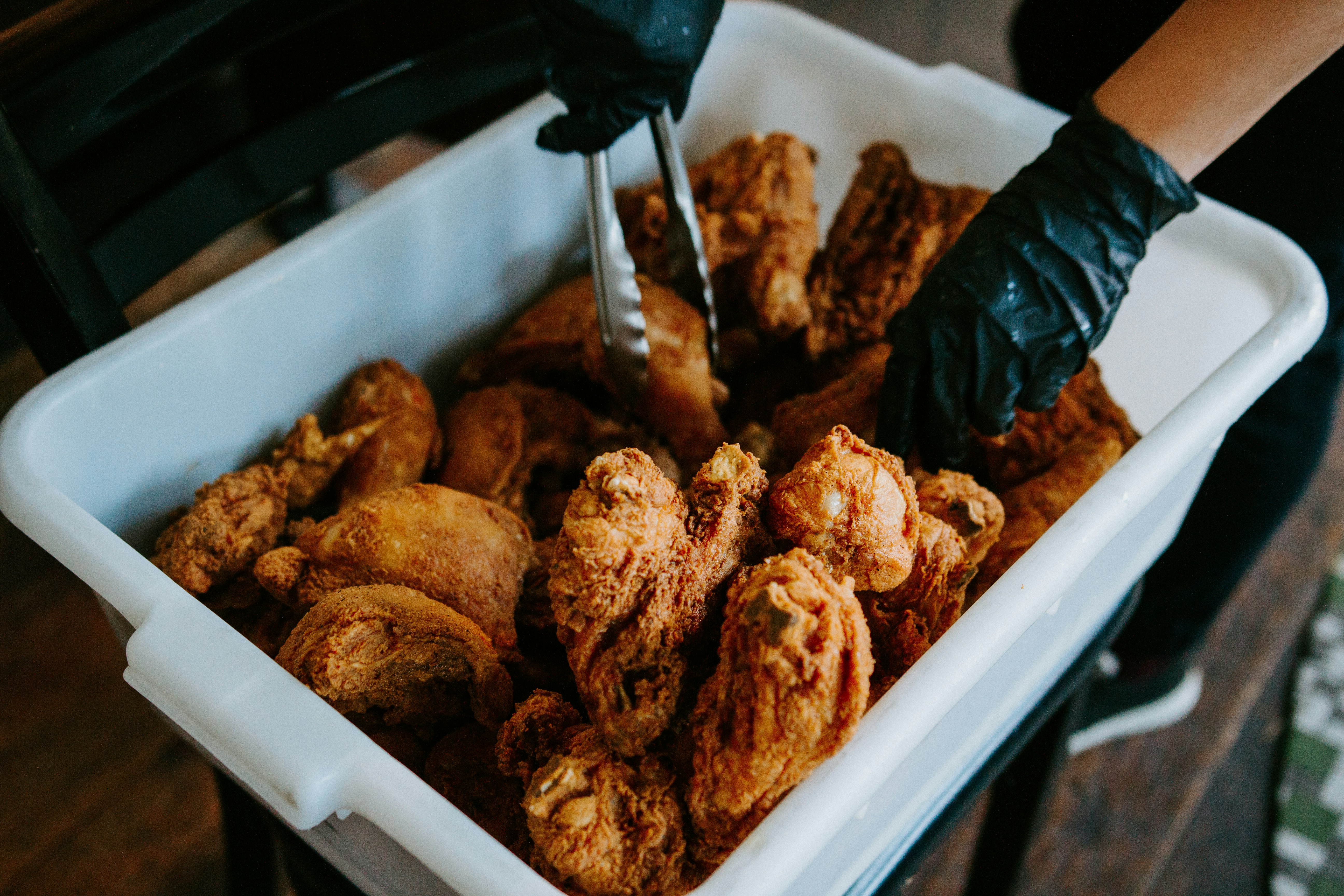
Esperto Hospitality Group acquires Daddy’s Chicken Shack and plans a 2026 relaunch, starting with company-owned stores in New Jersey and expanding along the East Coast.

Plant-based chain Clover Food Lab will close all 11 restaurants on May 28, 2026, citing 30–50% ingredient inflation and mounting operating costs.

Crunch, Bodybar Pilates, and UFC Gym share disciplined playbooks: strong presales, premium upsells, and capital-backed operators fueling rapid, profitable growth.
Australian chain Guzman y Gomez closed all eight Chicago-area restaurants on May 22, 2026, citing stagnant sales and high capital needs in an ASX filing.
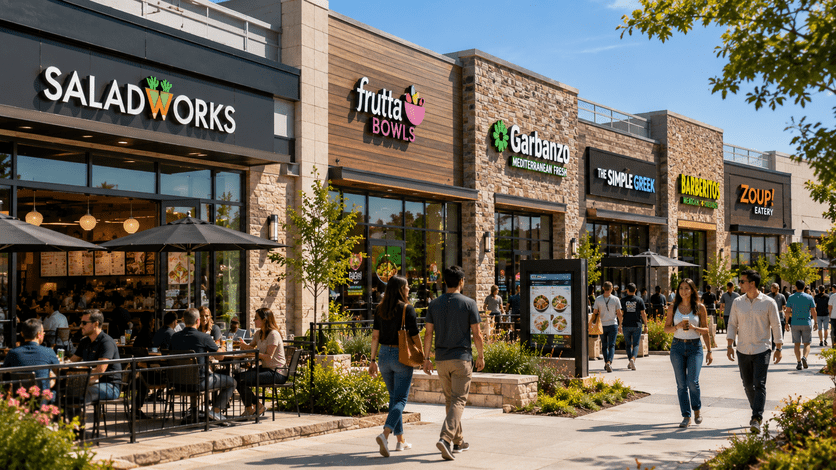
WOWorks, the parent company behind Saladworks, Frutta Bowls, Garbanzo Mediterranean Fresh, and three other health-focused restaurant brands, has brought on industry veteran James Walker as Chief Growth Officer and promoted Nolan Woods to Chief Operations Officer as the company accelerates franchise expansion across its nearly 240-unit portfolio.
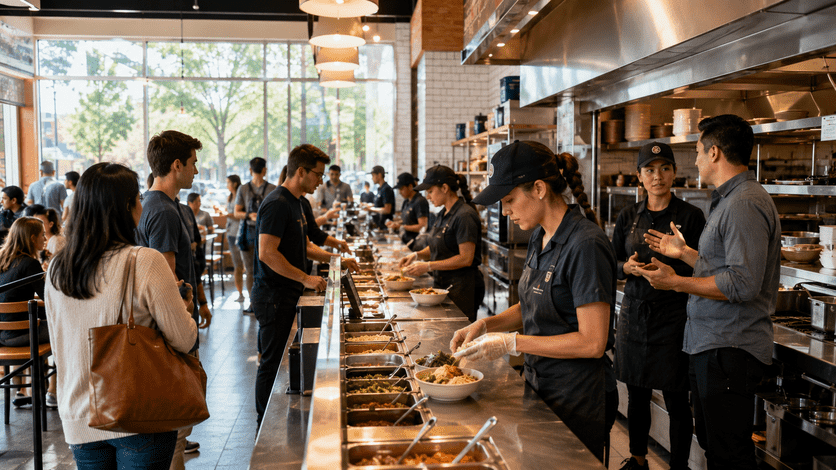
Noodles & Company has promoted Frank Rodriguez to Senior Vice President of Operations, expanding his leadership scope across restaurant operations, training, and organizational development as the chain posts its strongest comparable sales growth in years.
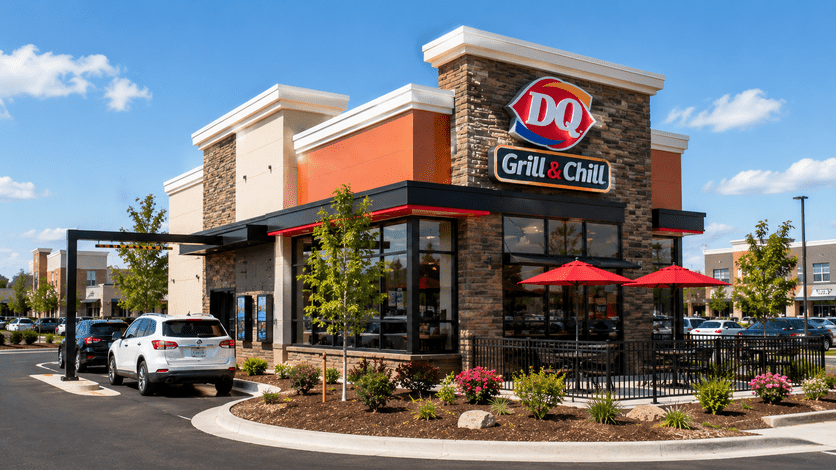
Dairy Queen is offering a $150,000 lump sum incentive to franchisees who open new Grill & Chill locations, with an additional $200,000 bonus per store for multi-unit developers a move designed to accelerate growth of its full-menu QSR concept after nearly flat unit count gains over the past three years.

Unlock Exclusive Access To Webinars, Events, And The Latest News For Free!
Starbucks has quietly ended its computer vision inventory tracking system after employees flagged reliability issues, reverting to traditional stock-keeping methods as the chain doubles down on getting supply and availability right across its cafes.
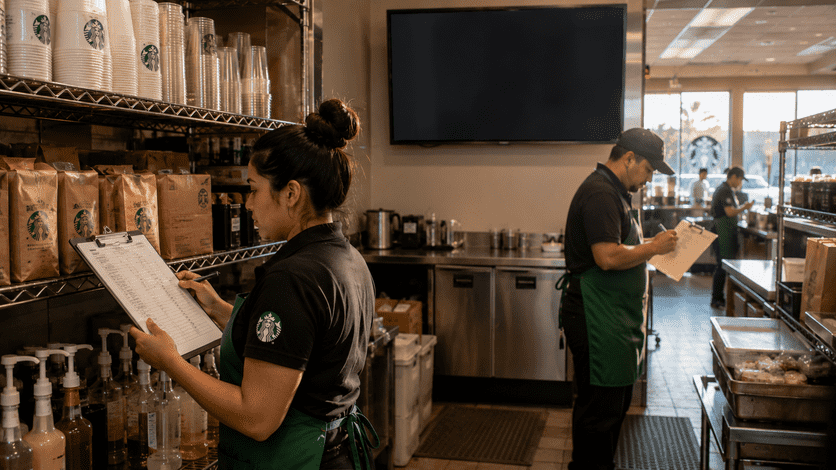
Starbucks has discontinued its AI-powered inventory management system roughly nine months after launching it a notably short run for a technology rollout that was presented as a meaningful step forward in how the chain tracks stock and prevents shortages. The tool used computer vision to monitor inventory levels across stores, but it's now been replaced with what the company describes as a single, consistent process for inventory counts across all locations. In a statement, Starbucks said the change supports accuracy and product availability in its coffeehouses, and that the brand will continue to invest in technology and refine its tools over time. The company declined to comment on a Reuters report that the AI system had occasionally miscounted or mislabeled items.
While Starbucks kept its official comments measured, the company did share internal employee feedback about the decision and the response from staff was telling. One employee wrote that they were grateful their concerns about the AI inventory count had been heard. Another thanked leadership for trusting employees over what they called unreliable spatial recognition to handle stock counts. The language employees used particularly the word unreliable points to day-to-day frustrations that likely made the system more of a burden than a help for store-level teams. When a technology tool creates doubt rather than confidence, the people relying on it tend to work around it rather than with it, which ultimately undermines the purpose of having it in the first place.
The context behind the AI system matters. CEO Brian Niccol has been direct about the fact that Starbucks previously struggled with stockouts situations where customers arrived expecting a menu item and found it unavailable. He described the experience as customers feeling like they were rolling the dice on whether their order could actually be fulfilled. At the chain's investor day earlier this year, Niccol committed to daily replenishment across all cafes by the end of 2026, framing it as a non-negotiable requirement for the food program the company wants to build. If Starbucks is going to expand its food menu and make it a reliable revenue driver, being consistently in stock isn't optional it's the foundation everything else rests on. The AI inventory system was meant to help solve that problem. The decision to move away from it doesn't mean the problem has gone away it means Starbucks concluded that a different approach would get there more reliably.
Starbucks isn't the only major chain to have pulled back on a high-profile automation initiative in recent years. McDonald's ended its partnership with IBM on drive-thru voice AI in 2024. Taco Bell slowed the rollout of similar technology the following year. And a major Pizza Hut franchisee made headlines by claiming the brand's AI ordering system was responsible for $100 million in lost sales. These aren't isolated incidents. They reflect a broader recalibration happening across the quick-service industry as operators discover that deploying AI in a real restaurant environment is considerably more complex than it looks in a controlled demo. The technology may work well under ideal conditions but struggle with the variability, noise, and pace of a busy store.
It would be a mistake to read Starbucks' decision as a step back from technology investment more broadly. The company was explicit that it plans to keep investing in tools and refining its approach this was a course correction on one specific system, not a wholesale shift in philosophy. That distinction matters in the current environment, where plenty of chains are still moving forward with AI deployments. Shake Shack recently announced Project Catalyst, a significant technology overhaul that incorporates AI analytics. Yum Brands is testing AI-driven menu boards that dynamically rearrange items to optimize sales. The industry hasn't lost confidence in AI as a category it's getting more selective about which applications actually deliver in practice.
For restaurant operators evaluating AI and automation tools, the Starbucks situation reinforces a few practical lessons. Employee feedback matters when frontline staff flag reliability issues, those concerns deserve serious weight because those are the people living with the technology every day. Pilot programs need honest evaluation criteria, not just enthusiasm for the technology itself. And the goal of any tech investment should be to make operations simpler and more consistent, not to introduce new layers of complexity that teams have to manage around. Starbucks framed its decision as being disciplined about where automation genuinely adds value. That framing is worth borrowing. The question for any operator considering an AI tool isn't whether the technology is impressive it's whether it actually makes the job easier and the operation more reliable for the people running it.