Restaurant Server Job Duties and Responsibilities
A clear server job overview, including pre-shift tasks, service basics, rush-hour execution, payment accuracy, and closing responsibilities.

What a Restaurant Server Role Covers
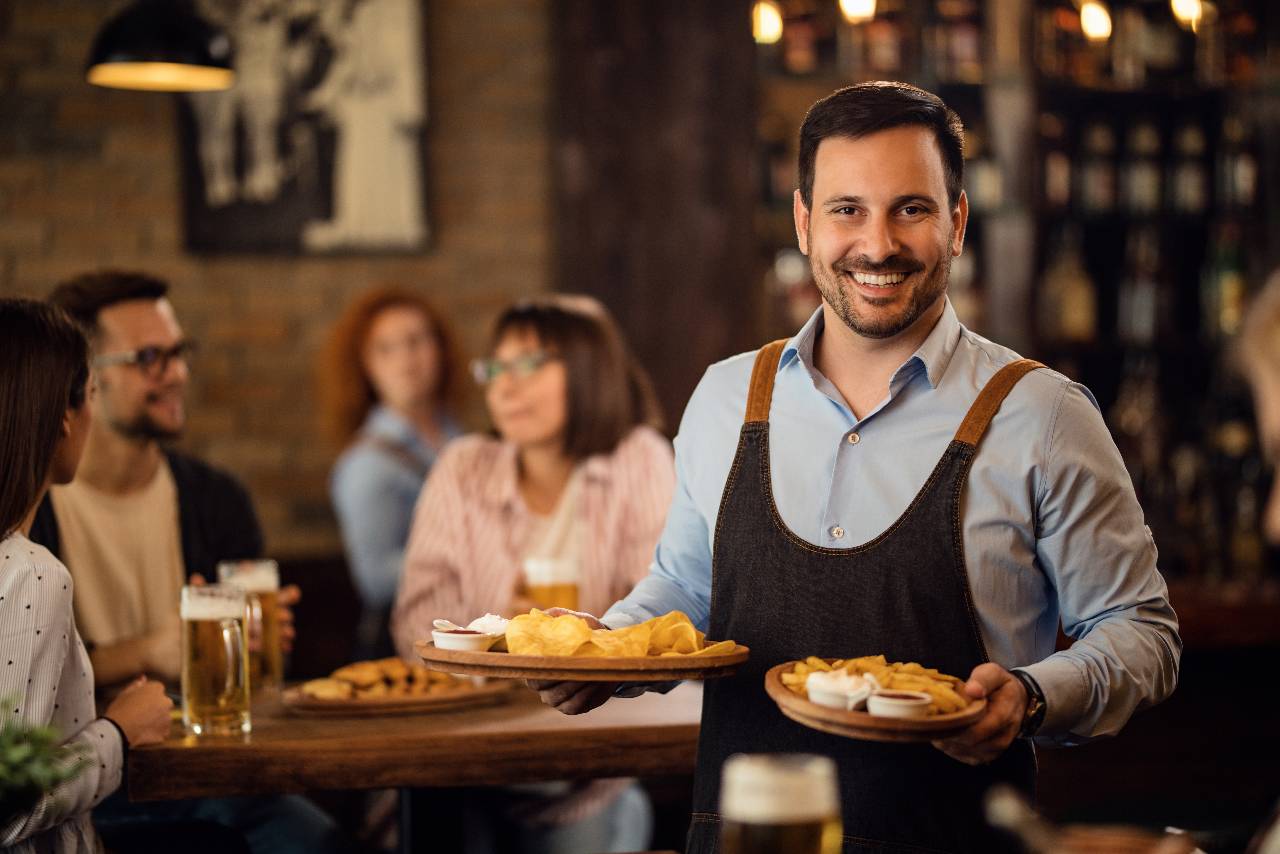
A restaurant server's main job is to guide the guest through the meal. That sounds simple, but it includes a lot of moving parts- welcoming guests, taking accurate orders, pacing food and drinks, and keeping the table clean and cared for from start to finish. A good server is the connector between the guest and the restaurant - making sure what the guest wants is clearly communicated to the kitchen and bar, and that the guest gets it the right way, at the right time.
A server role usually covers four big areas -
1. Guest experience - greetings, menu guidance, recommendations, handling complaints, and making sure the guest feels taken care of.
2. Order accuracy - entering items correctly, capturing modifiers, and calling out allergies or special requests clearly.
3. Service flow - timing drinks, appetizers, entrees, dessert, and check drop so the meal feels smooth - not rushed or stalled.
4. Table maintenance - refills, clearing plates, resetting tables, and keeping the section organized during the shift.
What the server role doesn't cover should also be clear. Servers are not responsible for every task in the building, and unclear expectations cause confusion and missed steps. For example, some restaurants use bussers, runners, or bartenders to handle certain tasks (food running, heavy pre-bussing, bar service, or stocking). If your restaurant expects servers to do these tasks, it should be written down as part of the job - otherwise it becomes inconsistent and unfair from shift to shift.

Pre-Shift Setup Duties
Pre-shift setup is where a smooth service starts. If the server's section is stocked, clean, and organized before the first guest arrives, the rest of the shift is easier. These duties are about being ready to serve without running back and forth for basics during the rush.
Start with personal readiness. A server should arrive on time, in the correct uniform, with clean hands and a professional appearance. They should also have the tools they need for the day- pens, order pad or POS login, wine key (if needed), and any required bank for making change. This is also the time to review the floor plan and check which tables are in their section.
Next is station and table readiness. Servers should walk their section and confirm each table is ready - clean surfaces, stable chairs, correct place settings, and clean menus. Condiments should be filled and wiped down. If your restaurant uses tabletop items like sugars, ketchup, hot sauce, or QR codes, this is when they should be checked and replaced.
Then comes stocking and sidework. The goal is to have enough supplies to get through the first wave of guests. Common pre-shift stocking includes - cups and glassware, silverware, napkins, straws, kids' items, to-go packaging, coffee supplies, tea, and water pitchers. Depending on the setup, servers may also stock ice, garnish trays, dressings, soup cups, or bread baskets. If you use server stations, each station should be organized the same way so any server can find what they need quickly.
Finally, servers should be present and engaged in the pre-shift meeting. This is where they learn daily specials, limited items, 86'd menu items, promotions, and any important notes (large parties, reservations, VIPs, or allergy alerts). Servers should ask questions before service starts so they don't guess at the table.
Opening Duties
The opening part of a shift is about control and consistency. When the first tables are seated, the server sets the tone for what the guest should expect- attentive service, clear communication, and a smooth pace. Even if it's slow, guests notice when the room feels unprepared or when service starts with delays.
A server should treat every new table the same way- acknowledge quickly, then approach with purpose. If the server can't get there right away, a brief acknowledgment is still important. When they do greet the table, the focus should be on starting the experience, not giving a long script. A short welcome, a quick offer of water, and a simple question like "Can I start you with something to drink?" moves the table forward.
From there, the server should shift into information gathering. Early tables are the best time to catch details that prevent problems later - dietary needs, allergies, and timing expectations. If the restaurant has specific allergy steps, the opening moments are when the server should follow them exactly, including how to ring items in and who to alert.
Next, the server's job is to build confidence in the menu. That might mean pointing out a few popular items, clarifying what's customizable, and being honest about what can't be changed. Guests often ask the same opening questions (spice level, portion size, gluten-free options, substitutions). A well-prepared server answers clearly or checks quickly - no guessing.
While all of this is happening, the server should be quietly maintaining the table- keeping the surface clear, removing extra place settings, swapping dirty menus, and watching for empty glasses. This is also when the server keeps an eye on section pacing - if multiple tables are sat at once, drinks and first contact come first, then orders.
Core Serving Duties During Service
Once service is rolling, a server's job is to run the same fundamentals on repeat - no matter how busy it gets. These are the "always" responsibilities that keep guests happy and protect accuracy, speed, and sales.
1) Keep the table informed. Guests don't mind waiting as much when they understand what's happening. If the kitchen is backed up, an item is taking longer, or a substitution isn't possible, the server should say so early. Clear updates prevent frustration and reduce complaints.
2) Take orders with zero guessing. Servers should confirm temperatures, modifiers, sides, and cooking preferences the first time. They should repeat key parts back when needed, especially for larger tables. If an order is unclear, it's better to ask one more question than to remake a plate.
3) Handle allergies and dietary needs correctly. This isn't just "write it down." A server should follow the restaurant's process every time - asking the guest, marking it correctly in the POS, and alerting the right person (manager/expo/chef) if that's the rule. If the kitchen can't guarantee something, the server must communicate that honestly.
4) Pace the meal. Good service is timing. Servers should watch table progress and course timing- drinks first, appetizers spaced correctly, entrees fired at the right time, dessert offered when the table is ready. They should avoid long gaps where guests are waiting with nothing happening.
5) Maintain the table without hovering. The table should stay clean and comfortable - refill drinks, pre-bus plates, replace napkins, clear empty glassware, and keep clutter off the table. The goal is "quiet maintenance" that feels natural.
6) Run food correctly. When delivering food, servers should confirm the right guest gets the right item, do a quick quality check (hot/cold, missing sides), and return soon after for a bite check. If something is wrong, they own the follow-up until it's fixed.
7) Solve problems fast. Mistakes happen. Great servers don't argue - they fix. They acknowledge the issue, apologize briefly, communicate the solution, and loop in a manager when required.
These duties are the foundation. When they're done consistently, service feels smooth even on the busiest nights.
Peak Period Duties
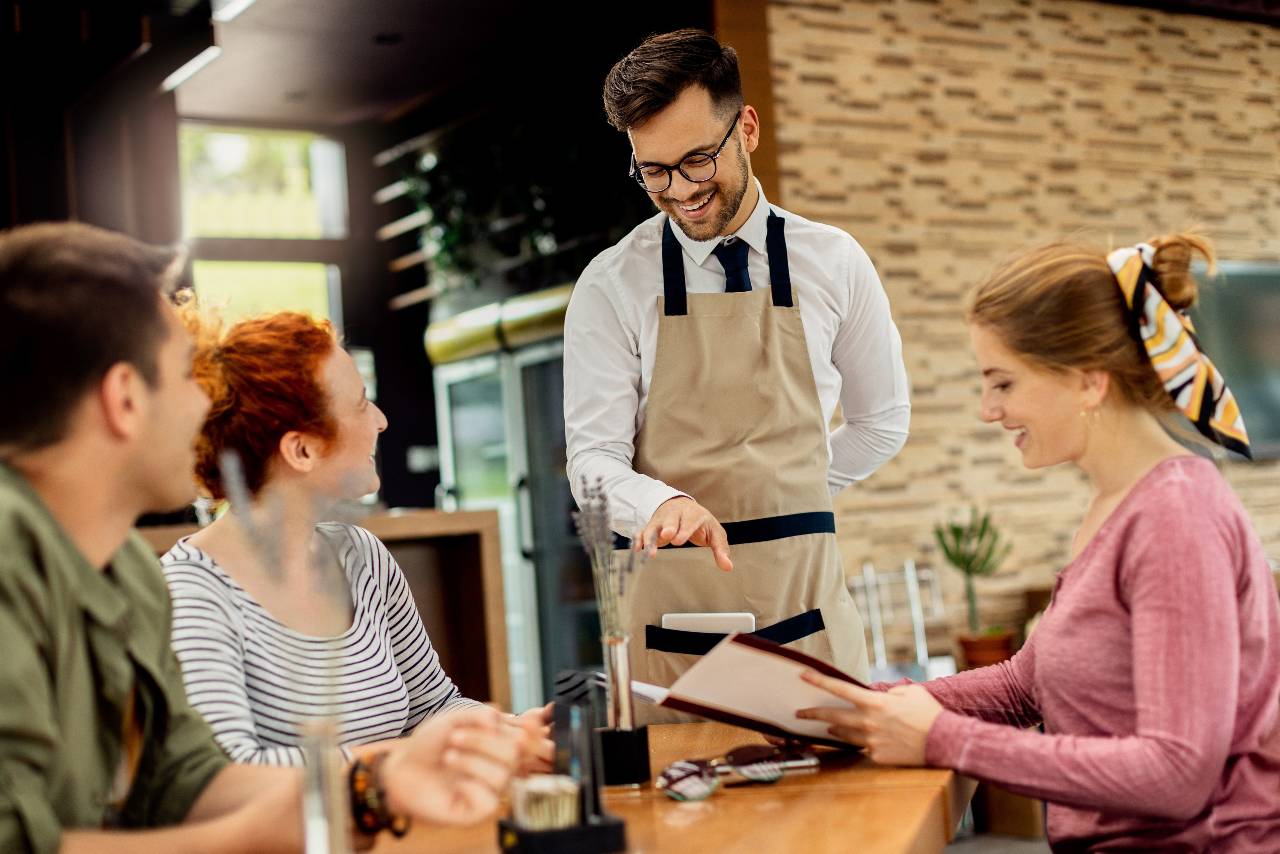
Rush periods are when a server's habits either hold up or break down. The dining room gets louder, ticket times stretch, and small mistakes turn into big delays. During peak volume, the server's job shifts from "perfect" to controlled and consistent - doing the most important steps first, every time.
The first priority is protecting first contact. New tables should never sit without being acknowledged. Even if the server is in the weeds, a quick greeting and a promise to return buys time and keeps guests calm. Right after that, the server should focus on beverages, because drinks are fast, they reduce guest impatience, and they give the table something to do while the kitchen catches up.
Next comes batching tasks. Instead of running one item at a time, a strong server groups actions- take two tables' orders back-to-back, ring them in together, then bring waters/refills to multiple tables in one pass. This reduces steps and keeps the section moving. The same is true for pre-bussing - clear multiple tables in one loop rather than reacting to every single plate.
Rush periods also require tight communication. If an item is 86'd, a modifier is unusual, or a table has a serious allergy, the server needs to communicate clearly and early - through the POS notes, expo, or manager (based on your process). During a rush, "I thought they knew" becomes a costly mistake. Servers should also avoid overpromising. If the kitchen is running 25 minutes, don't tell a table 10 minutes to keep them happy. Give realistic time frames and check in.
Another peak duty is team support without abandoning your section. Servers should run food when they can, help pre-bus nearby tables, and communicate when they need coverage. But they also need to protect their own tables so they don't fall behind. The best teams call out quick help - "Can someone drop these drinks?" or "Can someone run table 12's food?" Short, specific asks work best.
Finally, rush hours require smart check management. Dropping checks early for tables nearing the end, offering desserts quickly, and processing payments efficiently helps turn tables without making guests feel pushed.
Payment and Checkout Duties
Checkout is the last part of service, and it's where small mistakes can turn into big problems. A clean payment process protects guest trust, reduces chargebacks and comps, and keeps end-of-shift reporting accurate. Servers should treat payment duties as a standard routine, not something they rush through.
First, watch for the right moment to drop the check. Some guests want to linger; others are ready to go. Servers should look for cues (finished plates, declined dessert, checking phones, asking for boxes) and ask clearly - "Would you like the check, or are we doing anything else?" If your restaurant uses tabletop pay, QR pay, or handheld devices, the server should explain it quickly and confidently.
Next is presenting the check correctly. The check should match what the guest ordered - right items, correct modifiers, correct discounts, and correct table number. Before dropping it, servers should do a fast scan for common issues- missing comps, wrong happy hour pricing, duplicate items, wrong seat, or an item that should have been removed. Catching errors before the guest sees them prevents awkward conversations.
Then comes handling payment options and special requests. Servers should know the house rules for -
- Split checks (by seat, by item, even split)
- Multiple cards
- Gift cards and promos
- Manager approval for discounts/comps
- Accepted payment methods (tap, chip, cash, mobile pay)
For cash handling, the rule is simple - count it, confirm it, and secure it. Servers should never leave cash unattended, and they should follow the restaurant's process for making change and tracking cash payments. If your operation requires a server bank, the expectation for starting amount and turn-in should be written down.
Finally, servers should complete end-of-table closeout - return receipts, thank the guest, and reset the table quickly for the next seating. At the end of the shift, they should follow checkout steps exactly - running required reports, reconciling tips, and turning in payments per policy.
Closing Duties
Closing duties are what turn a busy shift into a ready-to-open restaurant tomorrow. When closing tasks are clear and consistent, the team leaves on time, the next shift starts strong, and nothing important gets skipped. The goal is not "clean until you're tired." The goal is to reset the restaurant to a known standard.
Most closing work starts with finishing the section. Servers should clear and wipe tables, reset place settings if required, and make sure chairs, floors, and booths in their area are clean. Any last guests should still receive full service, but the server should also start closing tasks that don't disrupt the guest experience.
Next is closing sidework. This varies by restaurant, but it usually includes a mix of stocking, cleaning, and organizing. Common closing sidework includes -
- Restocking napkins, cups, lids, straws, and to-go supplies
- Rolling silverware or resetting roll-ups
- Refilling and wiping down condiments
- Cleaning server stations (counters, shelves, POS area)
- Sweeping and spot mopping behind the station
- Breaking down coffee/tea stations (as assigned)
Servers should also handle food safety and labeling responsibilities if those tasks are part of the role. That might include returning items to the correct storage, labeling/date-dotting, closing or cleaning garnishes, or checking temperatures - only if your restaurant assigns those tasks to FOH staff.
Then comes trash, linens, and final reset. If assigned, servers should tie off trash, replace liners, take items to the correct disposal area, and drop linens where your process requires. Bathrooms and entry areas may be assigned to specific closers, but responsibilities should be written down so it's consistent.
Finally, servers must complete end-of-shift checkout procedures- confirm payment totals, complete tip reporting steps, turn in cash or receipts, and get manager sign-off when required.