How to Get More Online Reviews for Your Restaurant
Get more restaurant reviews by improving guest experience, simplifying feedback, timing requests well, training staff, and using technology consistently.


Understanding Online Reviews
Online reviews are one of the first things people notice when they search for a restaurant. Before a customer looks at your menu, checks your prices, or decides to visit, they often look at your ratings and recent comments. In simple terms, online reviews help shape the first impression of your business. They tell potential guests what others experienced and whether your restaurant seems worth trying.
For restaurant owners, online reviews are more than public opinions. They are a visible form of customer feedback that can affect trust, traffic, and reputation. A strong review profile can help your restaurant look reliable, consistent, and guest-focused. A weak review profile, or very few reviews at all, can make people uncertain. Even if your food is excellent, customers may hesitate if they do not see enough recent and positive feedback online.
It is also important to understand that not all reviews are the same. A rating is usually the number of stars a guest gives your restaurant. A written review gives more detail about what they liked or disliked. Private feedback may come through surveys, contact forms, or direct messages and is not always visible to the public. All three matter, but public reviews have a special role because they influence future customers as well as your internal improvement efforts.
Online reviews also affect where and how your restaurant appears online. Platforms like Google, Yelp, TripAdvisor, Facebook, and delivery apps often use review quality, quantity, and recency as signals of relevance and trust. That means reviews do not just reflect your reputation - they can also help more people find your restaurant in the first place. When a business has consistent, recent, and positive reviews, it often looks more active and dependable to both customers and online platforms.
In that sense, online reviews should be seen as both a reputation tool and an operations signal. They help attract new customers, but they also reveal what guests notice most.
Why Guests Choose to Leave a Review
Most restaurant guests do not leave a review just because they were asked. In many cases, they leave a review because something about the experience stood out enough to make them respond. That response may be positive or negative, but the reason is usually the same- the visit created a strong impression.
A good meal alone does not always lead to a review. What often motivates people is the full experience around it. Guests are more likely to write something when the service feels especially friendly, the food arrives quickly, the order is accurate, or the staff handles a problem well. On the other hand, they may also leave a review when they feel ignored, receive the wrong order, wait too long, or believe the value did not match the price.
Emotion plays a big role here. Reviews are often driven by moments of satisfaction, surprise, frustration, or disappointment. A guest who feels genuinely welcomed may want to praise the experience. A guest who feels inconvenienced may want to warn others. This is why reviews tend to reflect emotional highs and lows more than average experiences.
Convenience also affects whether a guest follows through. Some customers may intend to leave a positive review but never complete it because the process feels inconvenient or easy to forget. Others are more likely to act when the review request is clear, timely, and simple. This is one reason why restaurants that make feedback easier usually see better results.
It is also helpful to remember that different guests have different motivations. Some want to support a local business they enjoy. Some want their opinion to be heard. Others want to help future customers make better choices. Understanding these motivations matters because it helps restaurant owners create better review strategies.
When you know why guests leave reviews, you can build a better process around that behavior. Instead of guessing, you can focus on creating strong experiences, reducing friction, and asking at the right moment. That is what turns occasional reviews into a more consistent flow of customer feedback.
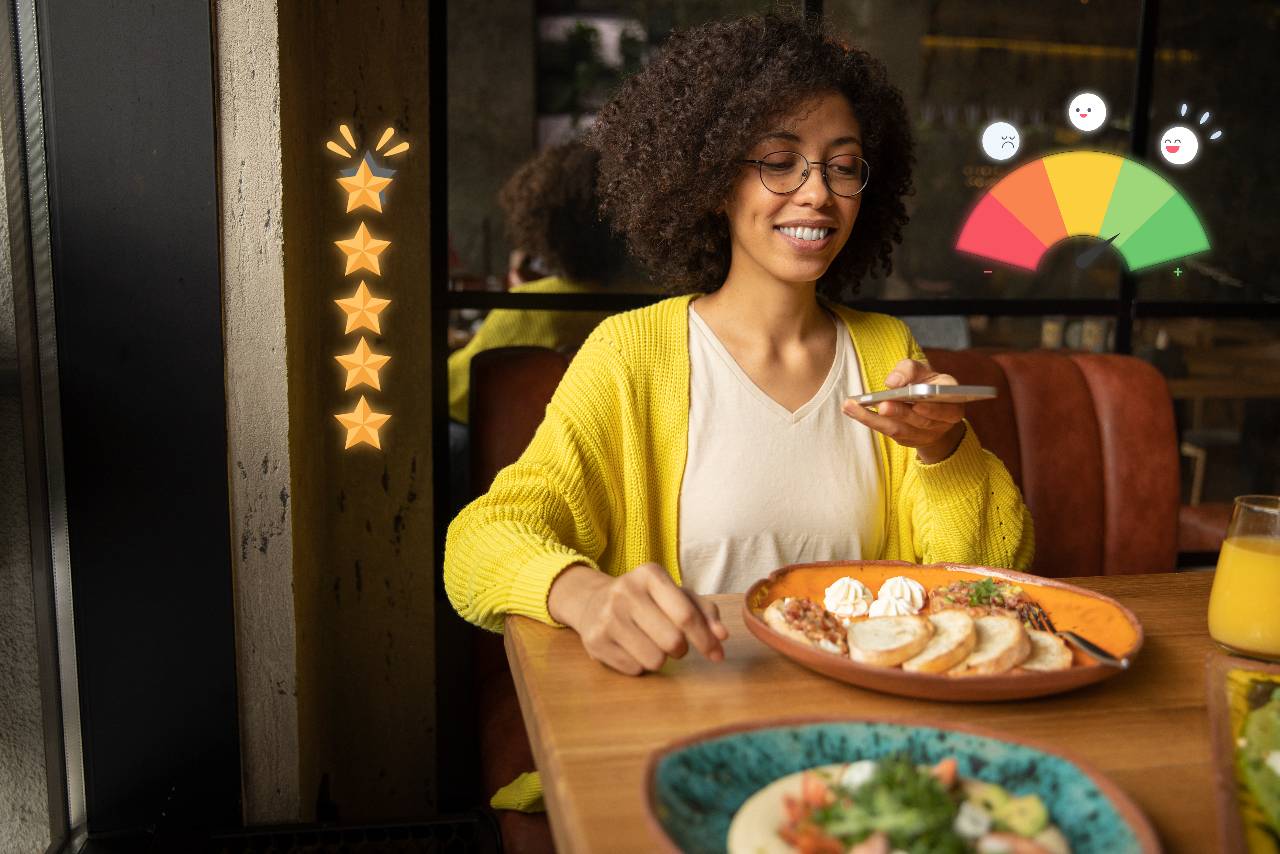
Build a Guest Experience Worth Reviewing
If you want more online reviews, the first step is not asking for them. The first step is giving guests an experience they feel motivated to talk about. Many restaurants focus on the request before they focus on the experience itself. In reality, positive reviews usually begin with strong day-to-day operations.
1. Start With the Basics - A guest experience worth reviewing does not always come from something dramatic. Most of the time, it comes from doing the basics well. Guests notice when they are welcomed quickly, when the staff is attentive, when the food arrives on time, and when the restaurant feels clean and organized. These details may seem small on their own, but together they shape how people remember the visit.
2. Focus on Consistency - Consistency matters just as much as quality. One good visit can create a positive impression, but inconsistent service can weaken it just as fast. If the experience changes too much from one shift to another, guests may hesitate to leave a positive review. Restaurants that earn strong reviews over time are usually the ones that deliver a dependable experience on a regular basis.
3. Get the Order Right - Order accuracy is a major part of the guest experience. Whether the order is for dine-in, takeout, or delivery, customers expect to receive exactly what they asked for. Even a small mistake can create frustration, especially when the guest is in a hurry or feeding a group. Accuracy builds trust, and trust often supports better reviews.
4. Keep Service Moving - Speed matters in almost every restaurant setting. Long waits, delayed orders, and poor communication can quickly damage the customer experience. Even when a delay cannot be avoided, clear communication helps guests feel informed and respected. In many cases, people are more understanding when the restaurant handles the situation well.
5. Make Hospitality Part of the Experience - Guests often remember how they were treated just as much as what they ate. Friendly service, clear communication, and a helpful attitude can leave a lasting impression. When something goes wrong, a calm and respectful response can still protect the overall experience and reduce the chance of a negative review.
In simple terms, asking for reviews works best when the guest already has a good reason to leave one. That is why operational quality is the foundation of any strategy to increase restaurant online reviews.
Make It Easy for Guests to Leave a Review
Even satisfied customers do not always leave a review. In many cases, the problem is not willingness. It is friction. If the process feels confusing, time-consuming, or easy to forget, many guests simply move on. That is why restaurants that want more online reviews need to make the review process as simple as possible.
1. Reduce Every Possible Step - The more effort it takes to leave a review, the less likely a guest is to complete it. Customers should not have to search for your restaurant profile, guess which platform to use, or click through multiple pages. A good review process removes extra steps and makes the action feel quick and easy.
2. Use Direct Review Links - One of the simplest ways to increase review volume is by using direct links that take guests straight to the review page. These links can be shared through text messages, emails, digital receipts, and QR codes. When customers can tap once and land in the right place, they are much more likely to follow through.
3. Add Review Prompts Inside the Guest Journey - Review requests work better when they appear at natural points in the customer experience. Restaurants can place review prompts on printed receipts, table tents, checkout counters, takeout packaging, and delivery inserts. These reminders help keep the request visible without interrupting the guest experience.
4. Add Review CTAs on Your Website and Booking Confirmation Emails - Your website should do more than show your menu and hours. It can also support your review strategy. Adding simple review calls to action on your website gives past guests an easy place to share feedback. Booking confirmation emails and reservation follow-ups can do the same by reminding guests to leave a review after their visit.
5. Focus on the Right Platforms - Not every platform matters equally for every restaurant. Google is often the most important for local visibility, while Yelp, Facebook, TripAdvisor, or delivery apps may matter depending on your business model. Instead of sending customers everywhere, guide them toward the platforms that matter most for your brand.
Many review opportunities are lost because the request comes too late or feels inconvenient. A restaurant may deliver great service, but if guests forget the experience by the time they get home, the review may never happen. Making reviews easy is not a small detail. It is a core part of getting more of them.

Ask for Reviews at the Right Time
Getting more online reviews is not only about asking. It is also about when you ask. Even a happy customer may ignore the request if it comes too late, too early, or at an awkward moment. The best review requests are timely, natural, and connected to a completed experience.
1. Ask While the Experience Is Still Fresh - Timing matters because customer memory fades quickly. A guest who just finished a good meal, received a correct delivery order, or completed a smooth pickup is much more likely to leave feedback than someone you contact days later. The closer the request is to the actual experience, the stronger the response usually is.
2. Match the Request to the Type of Visit - Different types of restaurant visits create different review opportunities. For dine-in guests, the best moment may be near the end of the meal or shortly after payment. For takeout and delivery, it may be after the order is marked complete. For reservations, the follow-up can happen after the booking has been used. The request should fit the guest journey instead of feeling random.
3. Keep the Tone Natural and Professional - The way you ask matters just as much as the timing. A review request should feel simple and polite, not forced. Staff can mention it briefly in person, or the restaurant can send a short follow-up message that thanks the guest and invites feedback. When the tone is respectful, customers are more likely to respond positively.
4. Automate Post-Visit Review Requests - One of the best ways to improve consistency is to automate post-visit review requests. Restaurants can use email, text messaging, CRM tools, online ordering systems, or loyalty platforms to send review prompts after a completed visit. This helps make the process more reliable and reduces the chance that staff forget to ask.
5. Avoid Asking at the Wrong Time - A poorly timed request can hurt more than help. Asking before the guest has finished the meal, before a delivery arrives, or while an issue is still unresolved can feel careless. If a customer is clearly frustrated, the better move is to solve the problem first instead of pushing for a review.
Restaurants usually get better results when review requests are part of a repeatable system. Instead of asking only once in a while, build review timing into the normal flow of service and follow-up communication. That creates a steadier stream of feedback over time.
Use Loyalty and Follow-Up Strategies
Restaurants often focus their review efforts on first-time guests, but loyal customers can be one of the best sources of consistent feedback. They already know your brand, they have repeated experience with your service, and they are more likely to want to support your business. That is why loyalty and follow-up strategies can play an important role in growing online reviews.
1. Start With Your Most Engaged Guests - Loyal customers are often the easiest people to encourage into leaving a review because they already have a relationship with your restaurant. They are not reviewing a one-time experience only. In many cases, they are responding to a pattern of good service, reliable food quality, and familiarity with your team. This makes their feedback especially valuable.
2. Use Loyalty Channels to Send Review Reminders - If your restaurant has a loyalty programme, it already gives you a direct way to communicate with repeat guests. Email campaigns, app notifications, and member messages can all be used to remind customers to leave a review after a visit. These channels feel more natural because they are already part of the guest relationship.
3. Reward Loyalty Programme Members for Feedback - Restaurants can also reward loyalty programme members for feedback in ways that encourage participation. The goal is not to buy positive reviews, but to create more engagement around the feedback process. For example, you may encourage members to share feedback after a visit while making sure your approach stays aligned with platform rules and does not require only positive responses.
4. Follow Up After the Visit - A strong follow-up process helps keep the experience top of mind. This can include a thank-you email, a text message, or a loyalty-based message sent soon after the meal or order is completed. When the follow-up is well timed, it creates a natural opportunity for the guest to leave a review while the experience still feels recent.
Many restaurants ask for reviews only once and then stop. A better strategy is to create a system that turns repeat traffic into a regular source of feedback over time. Not every guest will respond every time, but a steady follow-up process increases the number of opportunities.
Train Your Team to Support Review Growth
A restaurant's review strategy does not depend only on marketing tools or automated messages. It also depends on the people interacting with guests every day. Staff members shape the customer experience in real time, and that experience often determines whether a guest feels motivated to leave a review. For that reason, team training should be part of any plan to increase online reviews.
1. Help Staff Understand - The first step is making sure employees understand that reviews are not just about ratings. Reviews affect how future customers see the restaurant, how visible the business is online, and how management identifies strengths and problems. When staff understands that reviews influence reputation and traffic, the request feels more meaningful.
2. Train Staff to Create Review-Worthy Moments - Guests usually leave reviews based on the service they receive. Friendly greetings, accurate orders, helpful communication, and a calm response to issues all shape what customers remember. Training staff to deliver these basics consistently gives guests more reasons to leave positive feedback.
3. Teach Team Members How to Mention Reviews Naturally - If staff is going to mention reviews, the request should feel simple and professional. They do not need a long script. In most cases, a short and polite comment is enough, such as thanking the guest for coming in and inviting them to leave a review if they enjoyed the experience. Training helps employees say this with confidence instead of making it sound awkward or forced.
4. Show Staff When Not to Ask - Good training also includes judgment. Team members should know that not every moment is the right time to ask for a review. If a guest is unhappy, in a rush, or dealing with a service issue, the focus should be on solving the problem first. Asking at the wrong moment can damage the interaction instead of helping it.
Review growth becomes more reliable when the approach is consistent. If one manager encourages review requests but another ignores them, results will vary too much. Restaurants with multiple shifts or locations should make review support part of standard training so the experience feels more consistent for guests.
Track Reviews and Use Technology to Improve Results
Getting more online reviews is important, but collecting them is only part of the process. Restaurants also need to track review activity, understand what customers are saying, and use that information to improve operations. Without a system for monitoring results, it is harder to know which review strategies are working and which guest experience problems need attention.
1. Monitor Review Volume and Platform Performance - The first step is tracking where your reviews are coming from and how often they appear. A restaurant may perform well on Google but receive weaker feedback on Yelp or delivery apps. Monitoring review volume by platform helps you see where your online reputation is strongest and where more attention is needed.
2. Watch for Patterns in Guest Feedback - Reviews are more than public comments. They are also a source of operational insight. When several customers mention slow service, order mistakes, poor communication, or great staff friendliness, those patterns reveal what guests are noticing most. Looking for repeated themes helps restaurant owners identify both strengths and weak points.
3. Use Review Monitoring and Reputation Tools - Technology can make review management easier and more organized. Review monitoring platforms, reputation management tools, and guest feedback systems can collect feedback from multiple channels in one place. This gives managers a clearer view of trends instead of forcing them to check every site manually.
4. Connect Reviews to Follow-Up Systems - Technology also helps restaurants improve how they ask for reviews. Email systems, CRM tools, online ordering platforms, reservation tools, and loyalty programmes can all support review follow-up. When these systems work together, restaurants can create a more consistent process for requesting and tracking reviews after each visit.
5. Turn Review Data Into Operational Action - The most useful review strategy is one that leads to action. If reviews regularly mention long wait times, food temperature issues, or poor order accuracy, the restaurant should treat that as an operational signal. Positive trends matter too, because they show what the business should continue doing well.
In simple terms, technology helps restaurants move from scattered review management to a more structured system. It supports tracking, follow-up, and analysis, all of which make review growth easier to manage over time. When restaurants combine better systems with better guest experiences, review improvement becomes much more sustainable.