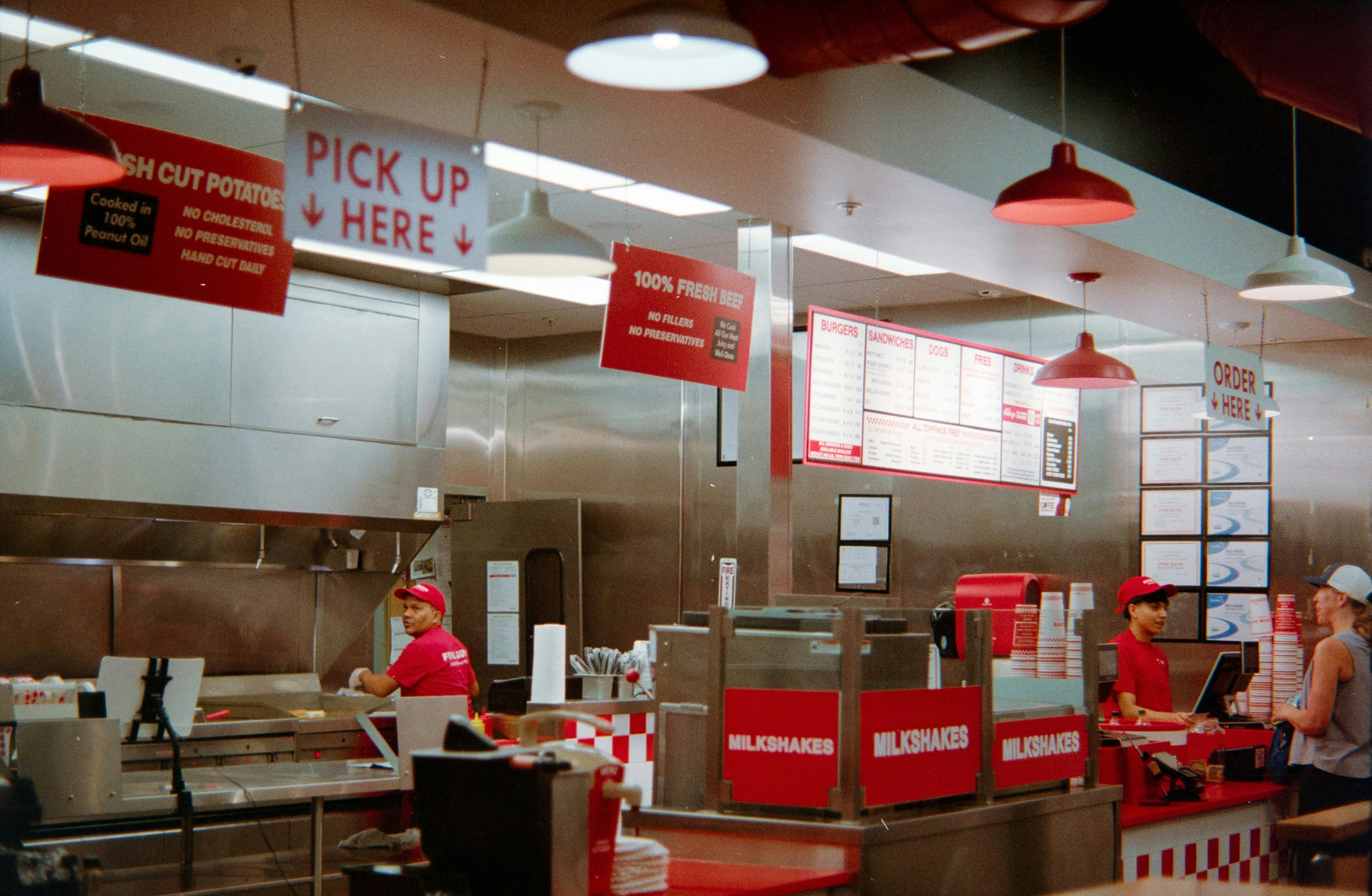
Clusters Win the Day: Coast-to-Coast Multi-Unit Deals
Record multi-unit franchise deals cluster territories coast to coast as brands chase scale amid inflation and QSR operators control 58% of units.
Record multi-unit franchise deals cluster territories coast to coast as brands chase scale amid inflation and QSR operators control 58% of units.

Savory Fund CEO Clay Dover details how AI speeds openings, training, and prep—powered by voice and tempered with human checkpoints across operations.

Cash incentives: $150K for the first Grill & Chill on schedule, then $200K per unit within 18 months, as Dairy Queen targets U.S. and Canada expansion.
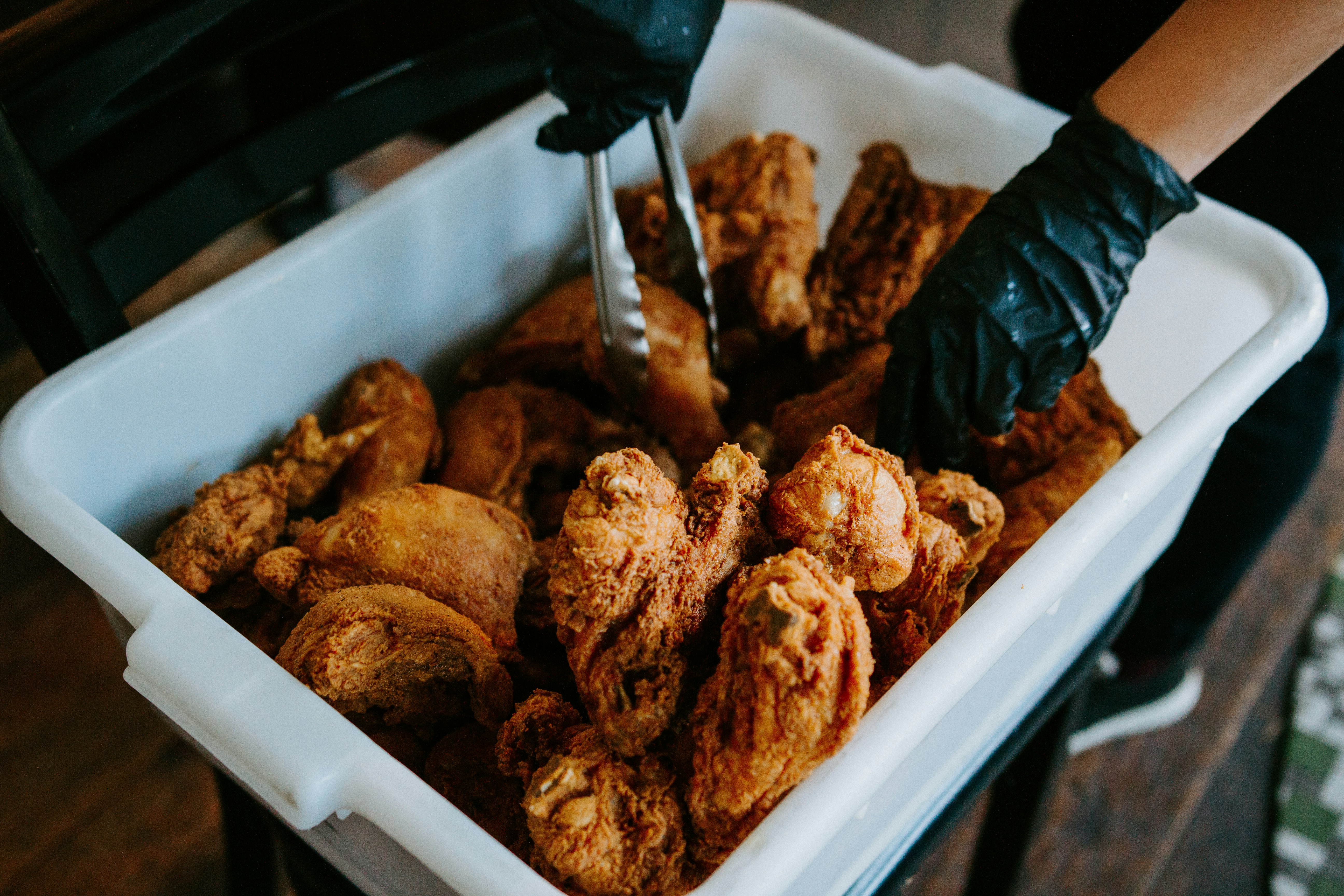
Esperto Hospitality Group acquires Daddy’s Chicken Shack and plans a 2026 relaunch, starting with company-owned stores in New Jersey and expanding along the East Coast.

Plant-based chain Clover Food Lab will close all 11 restaurants on May 28, 2026, citing 30–50% ingredient inflation and mounting operating costs.

Crunch, Bodybar Pilates, and UFC Gym share disciplined playbooks: strong presales, premium upsells, and capital-backed operators fueling rapid, profitable growth.
Australian chain Guzman y Gomez closed all eight Chicago-area restaurants on May 22, 2026, citing stagnant sales and high capital needs in an ASX filing.
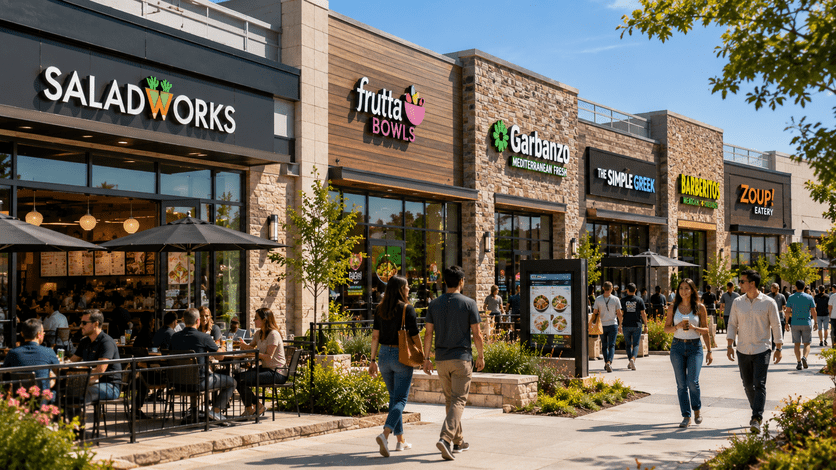
WOWorks, the parent company behind Saladworks, Frutta Bowls, Garbanzo Mediterranean Fresh, and three other health-focused restaurant brands, has brought on industry veteran James Walker as Chief Growth Officer and promoted Nolan Woods to Chief Operations Officer as the company accelerates franchise expansion across its nearly 240-unit portfolio.
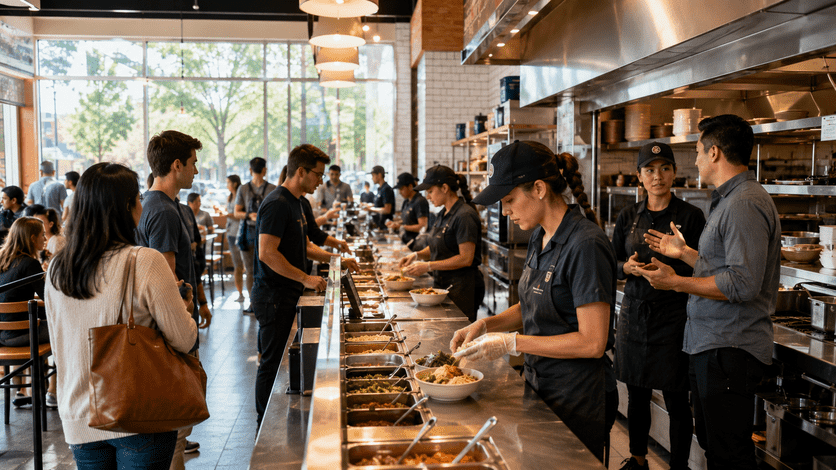
Noodles & Company has promoted Frank Rodriguez to Senior Vice President of Operations, expanding his leadership scope across restaurant operations, training, and organizational development as the chain posts its strongest comparable sales growth in years.
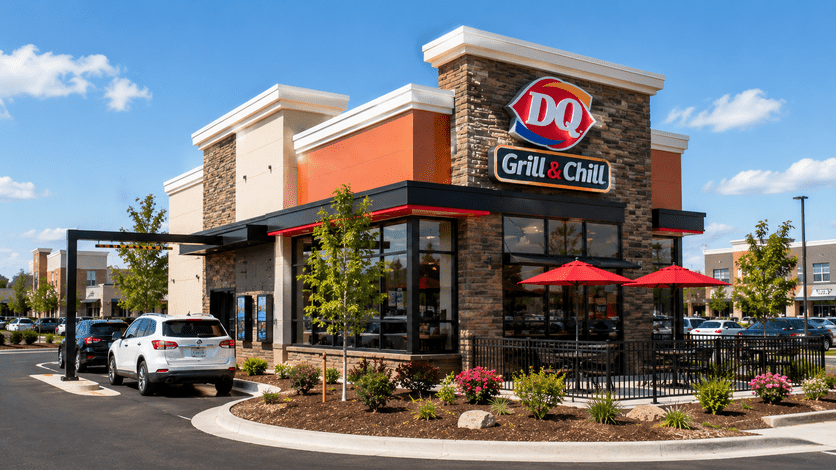
Dairy Queen is offering a $150,000 lump sum incentive to franchisees who open new Grill & Chill locations, with an additional $200,000 bonus per store for multi-unit developers a move designed to accelerate growth of its full-menu QSR concept after nearly flat unit count gains over the past three years.

Unlock Exclusive Access To Webinars, Events, And The Latest News For Free!
Restaurant owners need a detailed startup loan plan that explains funding needs, credit strength, collateral, projections, and repayment ability.

Opening a restaurant may start with a strong idea, but lenders need more than passion, a good menu, or a promising location. A restaurant startup loan requires proof that the business can be planned, funded, operated, and repaid responsibly.
Before the first customer arrives, owners often need money for lease deposits, buildout, kitchen equipment, furniture, signage, permits, licenses, technology, inventory, marketing, insurance, payroll, and working capital. Many of these costs happen before steady sales begin, which makes the loan risky for both the owner and the lender.
That is why preparation matters. Lenders want to know how much money is needed, where it will go, how the restaurant will generate revenue, and whether the owner can manage repayment. They may review the business plan, credit history, financial projections, collateral, owner investment, and industry experience.
Borrowing too little can create cash shortages after opening. Borrowing too much can pressure cash flow. A strong application shows clear costs, realistic sales projections, and a practical repayment plan.
Before applying for a restaurant startup loan, owners need to understand that different loans solve different problems. The right loan is not always the largest loan or the fastest loan. It is the loan that matches how the money will be used, how quickly the business needs funding, and how much debt the restaurant can realistically repay.
A new restaurant may need funding for several categories at once. Equipment, construction, furniture, smallwares, inventory, payroll, marketing, permits, and cash reserves all have different timing and cost requirements. That is why owners should break down the startup budget first, then match each expense to the best financing option.
1. Traditional business loans - A traditional commercial loan may be useful for larger startup costs, such as buildout, leasehold improvements, opening inventory, or general working capital. These loans often require strong credit, a detailed business plan, financial projections, and sometimes collateral. They can be harder to qualify for, but they may offer more structured repayment terms.
2. SBA loans - SBA-backed loans are popular because they are designed to help small businesses access funding through approved lenders. They may offer favorable terms compared with some private loan options, but the application process can be detailed. Restaurant owners should be ready to provide financial documents, business plans, ownership information, tax records, and proof that the business can repay the loan.
3. Equipment financing - Restaurants often spend heavily on ovens, refrigerators, fryers, prep tables, dish machines, POS hardware, and other equipment. Equipment financing can help owners purchase these items without using all available cash upfront. In many cases, the equipment itself may help secure the loan.
4. Business line of credit - A line of credit gives restaurant owners flexible access to funds when needed. This can help cover early cash flow gaps, unexpected repairs, supplier costs, or seasonal slowdowns. Unlike a lump-sum loan, owners can borrow, repay, and reuse funds up to the approved limit.
The practical takeaway is simple - do not apply for funding blindly. Know what each dollar is for. A lender wants to see that the owner has a clear funding strategy, not just a large request. Matching the right loan type to the right expense makes the application stronger and helps protect cash flow after opening.

A restaurant business plan is more than a document that explains your idea. For lenders, it is a risk review. It shows whether the owner understands the market, the startup costs, the operating model, and the numbers needed to repay the loan. A strong business plan gives lenders confidence that the restaurant is being built with structure, not guesswork.
Restaurant owners should start by clearly explaining the concept. This includes the type of restaurant, service style, menu direction, target customer, price point, and location strategy. A lender should be able to understand what the restaurant is, who it serves, and why customers would choose it over other options in the area.
The next part is market demand. Owners should explain the local customer base, nearby competition, foot traffic, residential or business density, and expected demand drivers. For example, a fast-casual restaurant near offices may depend on lunch volume, while a full-service restaurant in a residential area may rely more on dinner, weekends, and repeat guests. The business plan should connect the concept to real customer behavior.
The financial section is where many restaurant loan applications become weak. Lenders want to see detailed startup costs, not rough estimates. Owners should include costs for equipment, construction, permits, licenses, signage, furniture, inventory, technology, payroll, marketing, rent deposits, insurance, and working capital. Each category should show how much funding is needed and why.
A strong business plan should also include -
1. Menu pricing strategy - Show how menu prices support food cost, labor cost, and profit margin.
2. Sales forecast - Estimate expected revenue by day, week, month, or service period.
3. Labor plan - Explain staffing needs, wage assumptions, and payroll expectations.
4. Marketing plan - Show how the restaurant will attract guests before and after opening.
5. Management experience - Highlight owner, chef, manager, or operator experience that reduces lender risk.
A restaurant owner does not need to promise perfect results, but the numbers must be realistic. A business plan that shows clear costs, practical assumptions, and a repayment strategy is much stronger than one built only around passion for food.
Before a lender approves a restaurant startup loan, they want to know how much risk they are taking. Since a new restaurant may not have operating history yet, lenders often look closely at the owner's personal credit, available cash, collateral, and financial responsibility. A strong restaurant idea can lose lender confidence quickly if the financial background is weak or unclear.
1. Review your credit before the lender does
For startup restaurants, personal credit matters because the business may not have its own credit history yet. Lenders use credit history to evaluate how well the owner has managed debt in the past. A stronger credit profile can improve approval chances and may help secure better interest rates, lower fees, or more favorable repayment terms.
Restaurant owners should review their credit report before applying. Look for errors, late payments, high credit utilization, collections, or unresolved debt. If there are issues, be prepared to explain them and show what has been done to correct them.
2. Know how much money you can contribute
Many lenders want to see that the owner has personal money invested in the restaurant. This is often called an owner contribution or equity injection. It shows that the owner has financial commitment and is not relying only on borrowed money.
This contribution may come from savings, partner investment, or other available capital. The more prepared the owner is to contribute, the stronger the application may look.
3. Understand what collateral may be required
Collateral is an asset that helps secure the loan. For restaurant owners, collateral may include equipment, inventory, business assets, real estate, or personal assets. Equipment financing may use the equipment itself as collateral, while larger loans may require additional security.
Owners should never ignore collateral risk. If the restaurant cannot repay the loan, pledged assets may be at risk. Before applying, understand exactly what the lender can claim if payments are missed.
4. Be realistic about personal guarantees
Many restaurant startup loans require a personal guarantee, especially when the business is new. This means the owner may be personally responsible for repayment if the restaurant fails to pay.
The practical step is to review your financial position before submitting an application. Know your credit, your cash contribution, your available collateral, and your comfort level with personal risk. A prepared owner can speak to lenders with confidence and avoid surprises during underwriting.
Financial projections are one of the most important parts of a restaurant startup loan application because they show whether the business can afford the debt. A lender is not only asking, "Is this a good restaurant idea?" They are asking, "Will this restaurant generate enough cash to make loan payments on time?"
Restaurant owners should build projections around realistic operating numbers, not best-case assumptions. A new restaurant may take time to build customer traffic, train staff, control food costs, and stabilize daily sales. If the projection assumes strong sales from day one without accounting for slow periods, startup delays, waste, labor inefficiency, or opening mistakes, lenders may see the plan as risky.
Start with the full startup cost estimate. This should include rent deposits, construction, kitchen equipment, small-wares, furniture, signage, licenses, permits, technology, opening inventory, uniforms, insurance, marketing, payroll before opening, and working capital. Owners should also include a contingency amount because restaurant openings often cost more than expected.
Next, build a monthly sales forecast. Estimate expected revenue by service period, average check size, guest count, and operating days. For example, a quick-service restaurant may forecast sales based on daily transaction volume, while a full-service restaurant may estimate covers, table turns, and average spend per guest.
The projection should also include major expense assumptions -
1. Food and beverage costs - Estimate the percentage of sales spent on ingredients and beverages.
2. Labor costs - Include hourly wages, salaries, payroll taxes, benefits, training, and overtime risk.
3. Occupancy costs - Include rent, utilities, insurance, maintenance, and common area fees if applicable.
4. Operating expenses - Include marketing, packaging, cleaning supplies, repairs, software, merchant fees, and professional services.
5. Loan payment impact - Show the expected monthly payment and how it fits into cash flow.
The strongest projections include a cash flow forecast for at least the first 12 months, and ideally 24 to 36 months. This helps show whether the restaurant can cover expenses during slower months and still repay the loan.
Restaurant owners should also test conservative scenarios. What happens if sales are 15% lower than expected? What if food costs increase? What if hiring takes longer? A lender wants to see that the owner has thought through risk, not just growth. Financial projections should prove that the restaurant can survive opening pressure, manage cash carefully, and repay the loan without depending on unrealistic sales.

Restaurant owners should not treat every lender the same. A startup loan is not only about getting approved; it is about choosing funding that supports the restaurant without creating unnecessary pressure on cash flow. Two lenders may offer the same loan amount, but the total cost, repayment terms, fees, collateral requirements, and approval timeline can be very different.
The first step is to compare lender types based on the restaurant's needs. Large banks may offer competitive rates, but they often have stricter requirements. Local banks and credit unions may be more willing to understand the local market, the restaurant location, and the owner's relationship with the community. SBA-approved lenders can be a strong option for restaurant owners who need structured financing, but the application process may take longer and require more documentation.
Restaurant owners should also consider equipment financing companies when a large portion of the loan will be used for ovens, refrigeration, fryers, dishwashers, prep tables, or POS hardware. This can help preserve working capital instead of using cash for expensive equipment upfront. Alternative lenders may offer faster funding, but owners should carefully review the repayment structure because speed can come with higher costs.
When comparing lenders, focus on the full picture -
1. Interest rate - A lower rate can reduce borrowing costs, but it should not be the only factor.
2. Total repayment amount - Look at the total dollars paid over the life of the loan, including interest and fees.
3. Monthly payment - Make sure the payment fits the restaurant's cash flow forecast.
4. Loan term - A longer term may lower monthly payments, but it can increase total interest paid.
5. Fees and closing costs - Application fees, origination fees, packaging fees, and prepayment penalties can add up.
6. Collateral and personal guarantee requirements - Owners should know what assets are at risk before signing.
7. Funding timeline - Buildout, equipment orders, permits, and opening dates may depend on when funds arrive.
A practical approach is to compare at least three lender options side by side. Restaurant owners should calculate the true cost of each loan, not just the advertised rate. The best lender is the one that provides enough funding, realistic repayment terms, and a structure the restaurant can manage during the difficult early months of operation.
A restaurant startup loan application becomes stronger when the owner is organized before speaking with a lender. Missing documents, unclear numbers, or incomplete financial records can slow down approval or make the business look risky. Lenders want to see that the owner is prepared, serious, and able to manage money responsibly.
The best approach is to build a loan application folder before applying. This folder should explain who owns the business, how the restaurant will operate, how much funding is needed, and how the loan will be repaid.
Start with the basic documents. Most lenders will ask for a completed loan application, personal identification, ownership details, business registration documents, and possibly resumes for owners or key managers. For a new restaurant, management experience matters because lenders want to know who will run the operation once the doors open.
Next, include the business plan. This should cover the restaurant concept, target customer, location strategy, menu direction, marketing plan, staffing plan, startup budget, and financial projections. The business plan should clearly explain why the restaurant needs funding and how the money will be used.
Restaurant owners should also prepare financial documents, such as -
1. Personal financial statement - Shows the owner's assets, liabilities, income, and overall financial position.
2. Personal tax returns - Helps lenders verify income history and financial responsibility.
3. Bank statements - Shows available cash, savings, and owner contribution.
4. Credit information - Helps lenders review debt history and repayment behavior.
5. Cash flow projections - Shows whether the restaurant can cover expenses and loan payments.
6. Startup cost breakdown - Lists expected costs for buildout, equipment, inventory, payroll, rent, permits, and marketing.
7. Equipment quotes - Helps prove that funding requests are based on real numbers, not rough guesses.
8. Lease or location documents - Shows rent terms, location commitment, and occupancy costs.
If applying for an SBA-backed loan, owners should expect more detailed paperwork. This may include ownership records, business licenses, partner information, financial statements, tax returns, resumes, debt schedules, and a clear explanation of how funds will be used.
A clean, organized application shows that the owner understands the financial side of opening a restaurant. When documents are complete, numbers are consistent, and the funding request is clear, the lender has fewer reasons to delay or reject the application.
Many restaurant startup loan applications are denied because the owner is underprepared, not because the restaurant idea is weak. Lenders know restaurants can be expensive to open, difficult to stabilize, and sensitive to cash flow pressure. That means every mistake in the application can raise concern about whether the business will be able to repay the loan.
The first mistake is applying too early. Some owners contact lenders before they have a complete business plan, accurate startup budget, or realistic financial projections. A lender does not want vague estimates. They want to see how much money is needed, where it will go, and how the restaurant plans to generate enough revenue to repay the debt.
The second mistake is underestimating startup costs. Restaurant owners often plan for equipment and rent but forget about permits, insurance, payroll before opening, training, marketing, packaging, repairs, professional fees, and working capital. If the loan amount is too low, the restaurant may open short on cash and struggle during the first few months.
Another common mistake is using overly optimistic sales projections. A new restaurant needs time to build awareness, repeat customers, staff consistency, and operational rhythm. If projections assume high sales immediately, lenders may question whether the owner understands the ramp-up period.
Restaurant owners should also avoid these mistakes -
1. Ignoring credit issues - Review personal credit before applying and be ready to explain any problems.
2. Not comparing lenders - One loan offer may have higher fees, stricter repayment terms, or more collateral risk than another.
3. Borrowing without a repayment plan - Monthly loan payments must fit into realistic cash flow, not hopeful sales numbers.
4. Failing to explain collateral risk - Owners should understand what assets are being pledged before signing.
5. Using the wrong loan type - Equipment financing, SBA loans, lines of credit, and traditional loans all serve different purposes.
6. Leaving out working capital - A restaurant needs cash after opening, not just enough money to build the space.
The best loan applications are clear, organized, and realistic. They show lenders that the owner understands restaurant costs, operating risks, and repayment responsibility. A good idea may start the conversation, but strong numbers, clean documents, and a practical financial plan are what help move a restaurant startup loan toward approval.