How to Describe Food on Your Restaurant Menu
Find out how to describe food using menu words that highlight flavor, texture, cooking methods, and quality in a simple way.


The Power of Words on a Restaurant Menu
The words you use on your restaurant menu do more than fill space under a dish name. They help guests understand what they are ordering, shape how appealing a dish sounds, and influence whether someone decides to buy it. In many cases, guests are making quick decisions. They scan the menu, compare options, and look for items that sound satisfying, flavorful, and worth the price. The right words make that process easier.
A strong menu description gives the guest a clearer picture of the food before it ever reaches the table. Words that describe taste, texture, preparation, and freshness help people imagine the eating experience. For example, "crispy chicken," "slow-roasted beef," or "bright citrus sauce" says much more than a basic label with no detail. Good wording can make a familiar dish feel more interesting and help a signature item stand out.
The right words also build trust. Guests want to know what is in a dish and what makes it special. Clear, accurate descriptions reduce confusion and set better expectations. That matters because when the food matches what the menu promised, guests are more likely to feel satisfied.
Words for Flavors
Taste words help guests quickly understand the flavor profile of a dish. Instead of using broad words that do not say much, restaurant owners should choose words that create a clearer picture of what the guest can expect. Below are useful words to describe taste on a restaurant menu -
1. Sweet - A sugary or naturally pleasant flavor often found in desserts, sauces, fruits, and glazes.
2. Savory - A full, satisfying flavor that is more salty or umami than sweet. Common in meats, soups, sauces, and cooked dishes.
3. Salty - A taste created by salt or salty ingredients that can add depth and balance when used correctly.
4. Tangy - A sharp, lively taste often linked to citrus, vinegar, yogurt, or pickled ingredients.
5. Spicy - A hot or warming flavor created by peppers, chili, or spice blends.
6. Smoky - A deep, wood-fired, or flame-kissed flavor often associated with grilled, roasted, or smoked foods.
7. Rich - A full, deep taste that feels satisfying and intense, often used for creamy, meaty, or buttery dishes.
8. Buttery - A smooth, mellow, and rich flavor that suggests comfort and indulgence.
9. Zesty - A bright, lively flavor often tied to citrus, herbs, or bold seasoning.
10. Earthy - A grounded, natural flavor often used to describe mushrooms, root vegetables, grains, or herbs.
11. Bold - A strong, noticeable flavor that stands out right away.
12. Mild - A softer, less intense flavor that appeals to guests who prefer something simple and less aggressive.
13. Peppery - A slightly sharp, warm taste associated with black pepper, arugula, or certain spice blends.
14. Herbaceous - A fresh, green flavor that comes from herbs such as basil, parsley, dill, or cilantro.
15. Citrusy - A bright flavor that suggests lemon, lime, orange, or other citrus notes.
16. Refreshing - A clean, light flavor that feels cooling or crisp, often used for salads, drinks, and lighter dishes.
17. Umami - A deeply savory taste often associated with mushrooms, aged cheese, tomatoes, soy, or slow-cooked meats.
18. Robust - A strong, hearty flavor that feels full and well-developed.
19. Balanced - A taste profile where no single flavor overpowers the others.
20 Mellow - A smooth, soft flavor that is gentle and not overpowering.
The goal to choose the ones that best match the dish. A short and accurate description is usually stronger than one overloaded with adjectives.
Words for Texture
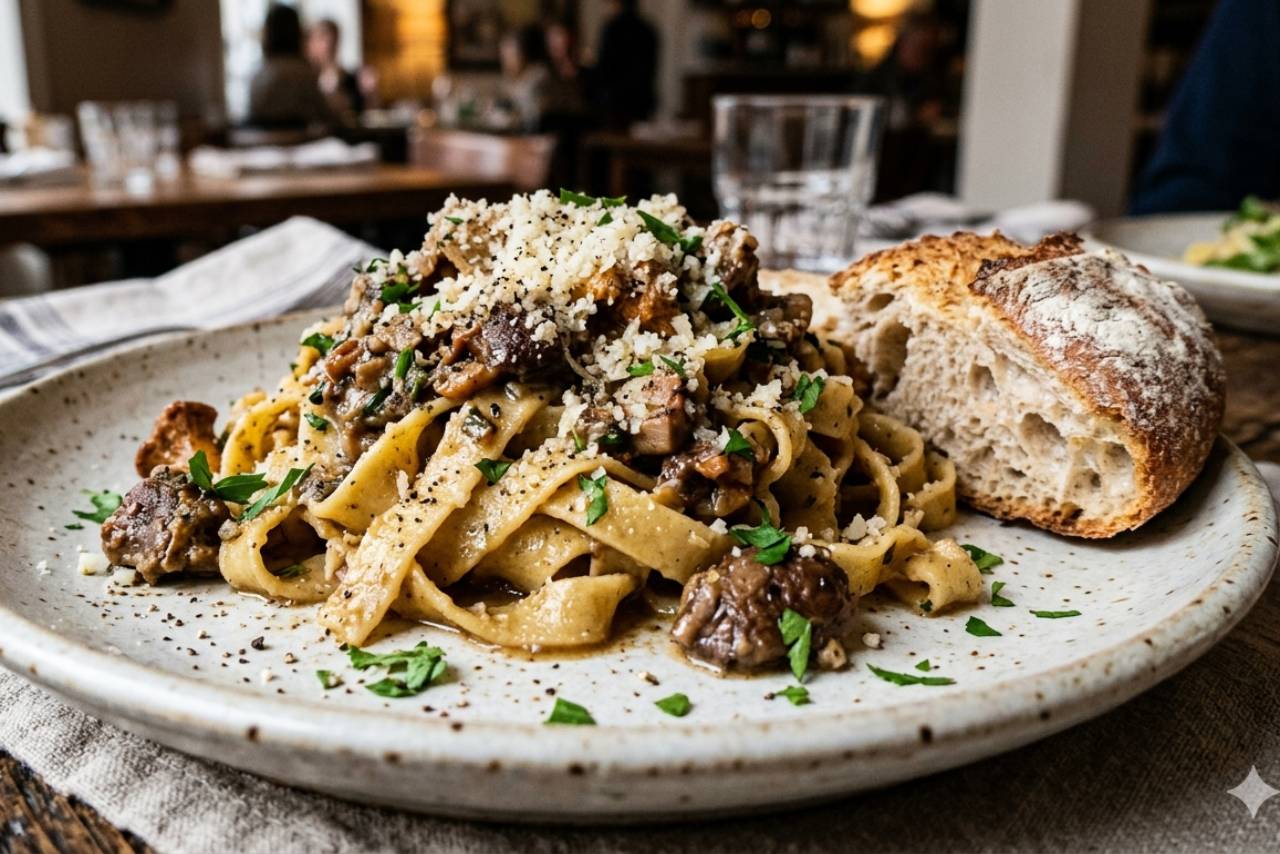
Texture is an important part of how guests imagine a dish before ordering it. While taste tells them about flavor, texture helps them picture how the food will feel when they eat it. This can make a dish sound more satisfying, more interesting, or more comforting. Below are useful words restaurant owners can use to describe texture on a menu -
1. Airy - A light, soft texture created by the incorporation of air, often used for mousses, whipped toppings, and delicate pastries.
2. Buttery - A smooth, soft texture that feels rich and easy to bite into.
3. Chewy - A texture that requires more bite and chewing, often used for breads, candies, noodles, or certain meats.
4. Creamy - A smooth, rich texture often associated with dairy-based sauces, soups, dips, and desserts.
5. Crispy - A light texture with a delicate crunch, often used for fried foods, thin crusts, or toasted toppings.
6. Crumbly - A loose, dry texture that easily breaks into small pieces or crumbs.
7. Crunchy - A firm, crisp texture that creates a stronger bite and often an audible crunch.
8. Crusty - A texture with a firm outer layer and softer inside, often used for bread and baked dishes.
9. Delicate - A fine, light texture that feels gentle and may come apart easily.
10. Flaky - A layered texture that breaks apart in thin pieces, often used for pastries, biscuits, fish, or pie crusts.
11. Juicy - A moist texture that releases liquid when bitten, commonly used for meats, fruits, or burgers.
12. Light - A texture that does not feel heavy or dense, often used for cakes, dressings, or whipped items.
13. Moist - A soft texture with enough internal moisture to feel tender rather than dry.
14. Silky - A very smooth, elegant texture often used for sauces, custards, soups, or purees.
15. Smooth - An even texture without lumps, roughness, or graininess.
16. Tender - A soft texture that is easy to cut, bite, or chew, often used for meats and cooked vegetables.
17. Velvety - A rich, smooth texture that feels soft and luxurious in the mouth.
18. Dense - A heavier, more compact texture often used for breads, cakes, or hearty dishes.
19 Sticky - A texture that clings slightly, often used for glazes, sauces, rice dishes, or certain desserts.
20. Bubbly - A light, airy texture with visible air pockets, often used for breads, batters, or baked cheese dishes.
Texture words are most effective when they match the actual eating experience. A dish description should help the guest imagine the food clearly, not overpromise it. The best texture words make the menu easier to picture and the dish more tempting to order.
Words to Describe Food Preparation Methods
Preparation words help guests understand how a dish was made, and that often shapes how they think it will taste. A grilled item suggests something different from a braised one. A dish described as slow-cooked creates a different expectation than one described as crisp-fried. These words add clarity, but they also add value because they make the cooking process part of the appeal.
Below are useful words to describe food preparation methods on a restaurant menu -
1. Grilled - Cooked over direct heat, often giving the food a smoky, charred, or flame-kissed quality.
2. Roasted - Cooked evenly with dry heat to develop deeper flavor, browning, and richness.
3. Braised - Slowly cooked in liquid until tender, often used for meats and hearty vegetables.
4. Seared - Quickly cooked at high heat to create a browned outer layer while keeping the inside tender.
5. Smoked - Cooked or flavored with smoke to create a deep, rich, wood-fired taste.
6. Baked - Cooked with dry heat in an oven, often used for breads, casseroles, pasta dishes, and desserts.
7. Charred - Cooked until the outside has a dark, slightly crisp edge that adds a bold roasted flavor.
8. Slow-Cooked - Prepared over low heat for a longer period to build tenderness and deeper flavor.
9. Glazed - Coated with a shiny layer of sauce or seasoning that adds flavor and visual appeal.
10. Hand-Tossed - Mixed or assembled by hand, often used to suggest freshness and a more crafted preparation style.
11. Pan-Seared - Cooked in a hot pan to develop color, texture, and flavor on the outside.
12. Fried - Cooked in hot oil to create a crisp outer texture and rich flavor.
13. Crisp-Fried - Fried until especially golden and crunchy, often used to emphasize texture.
14. Steamed - Cooked with steam to preserve moisture, softness, and a lighter eating experience.
15. Poached - Gently cooked in liquid, often creating a soft, delicate texture.
16. Marinated - Soaked in a seasoned liquid before cooking to add flavor and tenderness.
17. Wood-Fired - Cooked in a wood-burning oven or over wood heat for a smoky, rustic flavor.
18. Blackened - Coated with seasoning and cooked at high heat to create a dark, flavorful crust.
19. Toasted - Lightly browned with dry heat to add warmth, aroma, and a slight crunch.
20. Caramelized - Cooked until natural sugars brown and deepen in flavor, often adding sweetness and richness.
These words work best when they describe a real part of the cooking process. They should help the guest understand the dish better, not just make it sound more dramatic. A strong preparation word gives the menu more personality while making the food easier to picture.
Words to Describe Freshness, Quality, and Ingredients
Words that describe freshness, quality, and ingredients help guests understand what makes a dish feel higher value. These words can make menu items sound more appealing, but they only work when they are specific and truthful. If every item is described as fresh, premium, or hand-crafted, the words start to lose meaning. The goal is to use terms that tell the guest something real about the food.
Below are useful words to describe freshness, quality, and ingredients on a restaurant menu -
1. Fresh - Indicates the ingredient is recently prepared, delivered, or used, rather than frozen, stale, or heavily processed.
2. Local - Suggests the ingredient comes from nearby farms, producers, or suppliers.
3. Seasonal - Highlights ingredients used at their natural peak during a certain time of year.
4. House-Made - Shows that the item or component was made in-house rather than purchased ready-made.
5. Scratch-Made - Indicates the dish or ingredient was made from basic ingredients rather than prepackaged mixes.
6. Hand-Cut - Suggests a more careful, manual preparation process, often used for fries, vegetables, or meats.
7. Premium - Implies a higher-quality ingredient or product compared to a standard option.
8. Select - Suggests a chosen or higher-grade ingredient with more care behind the selection.
9. Farm-Fresh - Often used to describe eggs, produce, or dairy that feel recently sourced and less processed.
10. Vine-Ripened - Describes produce, especially tomatoes, that ripened naturally before harvest for fuller flavor.
11. Wild-Caught - Used for seafood harvested from natural waters rather than farm-raised environments.
12. Farm-Raised - Describes proteins raised in a controlled agricultural setting.
13. Imported - Suggests the ingredient comes from another country, often to communicate authenticity or specialty sourcing.
14. Aged - Indicates an ingredient was intentionally matured to develop deeper flavor, such as cheese, beef, or balsamic vinegar.
15. Artisan - Suggests the item was made with craftsmanship, attention to detail, or traditional methods.
16. Stone-Ground - Describes grains or flours processed in a traditional way that may suggest texture and authenticity.
17. Organic - Indicates ingredients produced according to organic farming standards.
18. All-Natural - Often used to suggest fewer artificial ingredients or less processing, though it should be used carefully and accurately.
19. Whole - Describes ingredients in a less refined or more complete form, such as whole grain or whole leaf.
20. Signature - Highlights a dish, ingredient, or preparation style that is distinctive to the restaurant.
These words should support the guest's understanding of the dish, not just make it sound more expensive. The best ingredient and quality words are the ones that are clear, believable, and specific enough to matter.

Positive Food Adjectives That Make Dishes Sound More Appealing
Positive food adjectives help menu items sound more inviting and memorable. They can make a dish feel comforting, exciting, satisfying, or more premium. The key is to choose words that match the actual food. Good adjectives create interest. Overused or exaggerated ones can make the description feel generic or untrustworthy.
Below are useful positive food adjectives restaurant owners can use on a menu -
1. Hearty - Describes a filling, substantial dish that feels satisfying and complete.
2. Comforting - Suggests warmth, familiarity, and a dish that feels familiar or reassuring.
3. Indulgent - Describes a rich, decadent item that feels like a treat.
4. Refreshing - Suggests a light, crisp, and clean eating experience.
5. Vibrant - Implies bright flavors, color, and energy in the dish.
6. Satisfying - Describes food that feels fulfilling and enjoyable to eat.
7. Wholesome - Suggests simple, balanced, and nourishing ingredients.
8. Delicious - A broad positive term, though it works best when paired with more specific descriptive words.
9. Flavorful - Suggests the dish has noticeable taste, though it is stronger when supported by more exact flavor terms.
10. Luscious - Describes a rich, smooth, and pleasing texture or flavor, often used for desserts or sauces.
11. Succulent - Often used for meats or seafood that are juicy, tender, and full of moisture.
12. Decadent - Suggests richness and luxury, especially in desserts or creamy dishes.
13. Classic - Describes a familiar, dependable dish with broad appeal.
14. Rustic - Suggests a simple, hearty, handmade, or traditional style.
15. Elegant - Implies a refined, polished presentation or flavor profile.
16. Savory - Works as both a taste word and a positive adjective for dishes with deep, satisfying flavor.
17. Light - Suggests the dish is not too heavy, rich, or filling.
18. Bold - Describes strong, noticeable flavors that stand out.
19. Crisp - Suggests freshness or a clean, satisfying bite.
20. Homestyle - Implies comfort, warmth, and a homemade feel.
These adjectives work best when they add something useful to the description. Instead of relying on broad praise alone, pair them with more specific taste, texture, or preparation words. That makes the description sound more believable and more effective.
Words to Avoid in Menu Descriptions
Some words make menu items sound appealing, but others make them sound vague, outdated, exaggerated, or hard to trust. When a menu uses weak or overused language, guests learn very little about the actual dish. That can make the item less memorable and less convincing. Strong menu writing depends just as much on the words you avoid as the words you choose.
Below are words and phrases restaurant owners should use carefully or avoid when writing menu descriptions -
1. Tasty - A generic word that says the food is good without explaining why.
2. Yummy - Too casual for most menus and often sounds unprofessional.
3. Delicious - Common and positive, but weak on its own because it does not describe the dish specifically.
4. Amazing - Overused and exaggerated unless the rest of the description supports it.
5. Best Ever - A claim that sounds promotional instead of informative.
6. World-Famous - Often feels exaggerated unless it is clearly true and part of the brand identity.
7. Premium - Can sound empty if the menu does not explain what makes the ingredient or dish higher quality.
8. Fresh - Useful only when it adds real meaning. If every item is called fresh, the word loses value.
9. Authentic - Should be used carefully because it can sound vague or unsupported without context.
10. Handcrafted - Common on menus, but often overused and not always meaningful.
11. Gourmet - Feels dated on many menus and may sound like filler rather than a real description.
12. Loaded - Can work in casual concepts, but overuse makes many dishes sound the same.
13. To Die For - Dramatic wording that may feel forced or out of place.
14. Irresistible - Promotional language that often tells instead of showing.
15. Mouth-Watering - Very common, but usually weaker than specific words about taste or texture.
16. Unique - A broad claim that does not explain what is actually different about the dish.
17. Perfectly Cooked - Sounds like a promise every restaurant should already meet, not a special description.
18. Special - Too vague unless tied to a specific ingredient, method, or occasion.
19. Traditional - Useful only when paired with details that explain the tradition or style.
20. Fine - A weak adjective that adds little value to a menu description.
The best menu descriptions replace broad praise with real detail. Instead of saying a dish is "amazing" or "mouth-watering," it is usually stronger to describe its taste, texture, preparation method, or ingredients. Clear words help guests picture the food, while vague words only take up space.
How to Choose the Best Words for Each Menu Item
Choosing the best words for each menu item is not about adding as many adjectives as possible. It is about selecting the words that help guests understand the dish quickly and accurately. The strongest menu descriptions usually combine a few specific details that explain what the food tastes like, how it feels, how it is prepared, and what makes it stand out.
Start by identifying the most important part of the dish. In some cases, that may be the flavor, such as smoky, tangy, or buttery. In other cases, texture may matter more, like crispy, tender, or creamy. If the cooking process is a selling point, preparation words such as grilled, slow-cooked, or wood-fired can add value. If the ingredients are what make the dish special, words like house-made, seasonal, or local may be more useful.
It also helps to think about balance. A good menu description usually does not need five or six descriptive words. Two or three strong, relevant words are often enough. For example, crispy chicken with tangy pickles is clearer and more effective than a long description filled with generic praise. Specific language tends to be easier to read and easier to trust.
Restaurant owners should also keep their concept in mind. A casual restaurant may use simpler, more direct wording, while an upscale restaurant may prefer more refined language. Either way, the words should match the brand and the actual food being served.
The best menu wording gives guests a clear picture without overwhelming them. When you choose words that are specific, accurate, and easy to understand, your menu becomes more than a list of items. It becomes a selling tool that helps guests order with confidence.